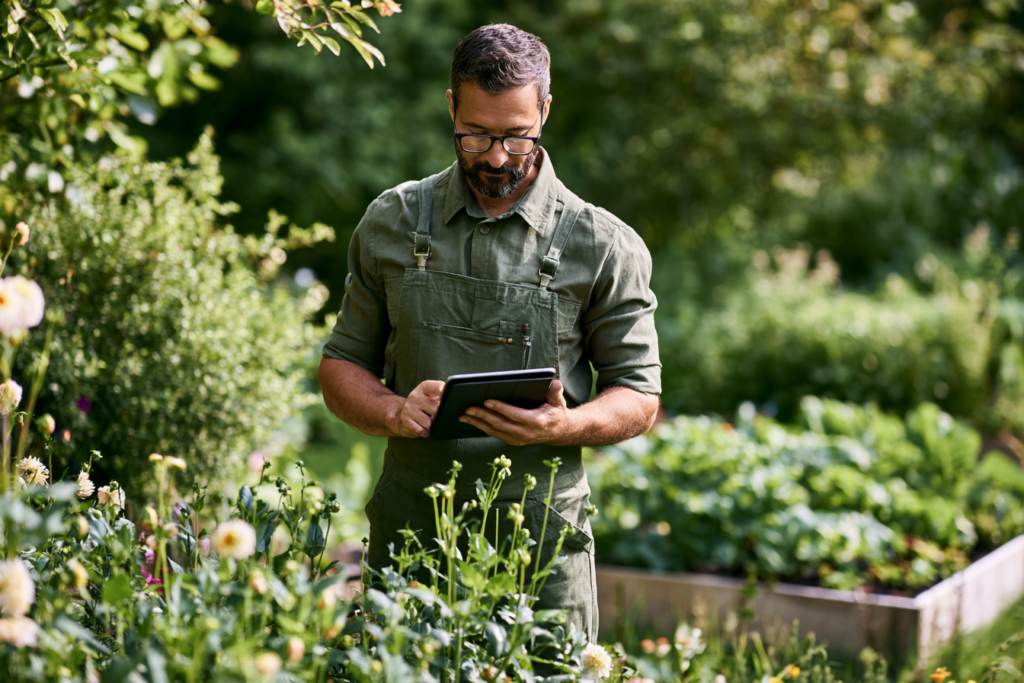
A Gardening Journal is much more than a place to write occasional notes. It becomes a valuable record of your gardening journey, helping you learn from experience, stay organised, and improve your garden year after year.
Whether you are new to gardening or have decades of experience, a Gardening Journal can help you plan, record, and celebrate your successes. Discover how different types of gardeners use their journals to get the most from their outdoor spaces.
Why Use a Gardening Journal?
Every garden is unique. Soil conditions, weather patterns, planting schedules, and plant performance can vary greatly from one garden to another.
A Gardening Journal allows you to:
- Keep track of important gardening activities
- Record plant growth and development
- Store photographs of your garden
- Track seasonal changes
- Learn from previous successes and mistakes
- Improve planning for future years
The more information you record, the more valuable your journal becomes.
How New Gardeners Use Their Journal
Starting a garden can feel overwhelming. There are plants to choose, jobs to remember, and new skills to learn.
Many beginner gardeners use a Gardening Journal to record:
- Plants they have purchased
- Where plants have been placed
- Watering schedules
- Feeding routines
- Pruning dates
- Seasonal observations
By documenting what happens in the garden, new gardeners quickly build confidence and learn what works best in their own growing conditions.
Example
A new gardener might record:
- Lavender planted in April
- Full sun location
- Flowering started in June
- Light pruning in August
- Excellent growth throughout summer
These simple notes become useful references for future seasons.
How Vegetable Growers Use Their Journal
Vegetable gardeners often rely heavily on record keeping to improve harvests and maximise productivity.
A Gardening Journal can help track:
- Seed sowing dates
- Germination success rates
- Planting locations
- Harvest quantities
- Crop rotation plans
- Pest and disease issues
Keeping accurate records helps identify which varieties perform best and when key gardening tasks should be completed.
Example
A vegetable grower may discover:
- Tomatoes sown in March produced earlier crops than those sown in April
- Certain varieties performed better during wetter summers
- Specific feeding schedules increased harvest yields
These insights can significantly improve future results.
How Flower Gardeners Use Their Journal
Flower gardeners often focus on creating beautiful displays throughout the year.
A Gardening Journal can help record:
- Flowering periods
- Colour combinations
- Plant spacing
- Successful planting schemes
- Seasonal highlights
- New plants to try next year
Photographs combined with written notes provide a visual history that makes planning future displays much easier.
Example
A gardener may note that:
- Dahlias provided colour from July until October
- Salvia and verbena created a successful planting combination
- Certain borders lacked interest during spring
This information helps create an even better display the following year.
How Allotment Holders Use Their Journal
Allotment gardening often involves managing multiple crops and tasks across a larger growing area.
Many allotment holders use a Gardening Journal to keep track of:
- Crop rotation schedules
- Planting plans
- Harvest records
- Soil improvements
- Fertiliser applications
- Pest management strategies
Accurate records can make allotment management far more organised and productive.
Example
An allotment grower might record:
- Where potatoes were grown this year
- Areas improved with compost
- High-yield vegetable varieties
- Monthly maintenance tasks
These notes simplify planning for future growing seasons.
How Gardeners Use Photos in Their Journal
Photographs are one of the most useful features of an online Gardening Journal.
Photos can be used to:
- Monitor plant growth
- Record seasonal changes
- Track garden improvements
- Create before-and-after comparisons
- Document successful projects
Many gardeners are surprised at how much their garden evolves over time when they compare photographs from previous seasons.
Using a Gardening Journal for Seasonal Planning
A Gardening Journal becomes more valuable with every year of use.
Many gardeners refer back to previous entries to determine:
- When to sow seeds
- When plants usually flower
- When vegetables are ready to harvest
- When pruning is most effective
- Which garden jobs need completing each month
Rather than relying on memory, they can make decisions based on proven results from their own garden.
Create Your Own Gardening Story
Every garden tells a story. A Gardening Journal helps you capture that story while building a practical resource that supports better gardening decisions.
From recording planting dates and uploading photographs to tracking harvests and improving garden plans, a Gardening Journal provides a complete record of your gardening experience.
Whether you grow vegetables, flowers, shrubs, fruit, or houseplants, keeping a Gardening Journal can help you stay organised, learn faster, and enjoy your garden even more.
Start Your Gardening Journal Today
Begin recording your garden’s progress, successes, and seasonal changes with our free online Gardening Journal.
Create your account today and start building a valuable record that will help your garden thrive for years to come.