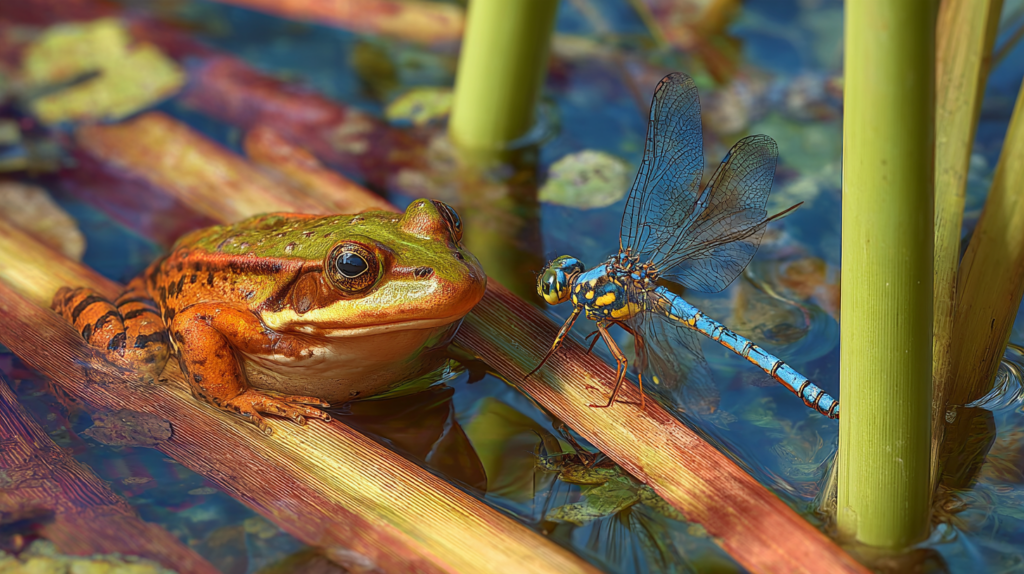
A wildlife-friendly garden pond is one of the best additions you can make to your outdoor space. Not only does it create an attractive focal point, but it also provides a valuable habitat for birds, insects, amphibians, and other creatures. From frogs and newts to dragonflies and bees, a well-designed pond can quickly become a thriving ecosystem that supports local biodiversity.
If you are considering adding a wildlife-friendly garden pond to your garden, this guide will walk you through everything you need to know, from choosing the right location to maintaining a healthy aquatic environment.
Why Create a Wildlife-Friendly Garden Pond?
Modern gardens often lack the natural habitats that many species depend on. A wildlife-friendly garden pond helps bridge that gap by providing a reliable source of water, shelter, and breeding opportunities.
Some benefits of creating a pond include:
- Attracting frogs, toads, and newts that help control garden pests.
- Supporting pollinators such as bees and butterflies.
- Encouraging dragonflies and damselflies.
- Providing drinking and bathing opportunities for birds.
- Increasing biodiversity in your garden.
- Creating a peaceful and relaxing natural feature.
Even a relatively small pond can attract a surprising amount of wildlife and make a positive contribution to the local environment.
Choosing the Best Location
The location of your wildlife-friendly garden pond will play a major role in its success.
Try to choose a position that:
- Receives sunlight for around four to six hours each day.
- Is away from dense tree cover to reduce falling leaves.
- Avoids areas prone to flooding.
- Offers some nearby vegetation where wildlife can shelter.
- Allows easy viewing from your home or patio.
While sunshine encourages aquatic plant growth, too much direct sun throughout the day can lead to excessive algae. A partly sunny location is often ideal.
Deciding on Pond Size and Shape
Wildlife is generally less concerned about appearance than habitat quality. The pond does not need to be large to be effective.
If space allows, a larger pond will usually support more species. However, even a small pond can become a valuable wildlife refuge.
Natural, irregular shapes tend to blend better into the landscape and create a wider range of microhabitats. Curved edges and varying depths provide different conditions that attract different creatures.
Aim to include:
- Shallow margins.
- Gradually sloping sides.
- A deeper central section.
- Areas for aquatic plants.
These features help wildlife access the water safely while creating diverse habitats.
Digging and Constructing the Pond
Once you have marked out your chosen shape, begin digging.
A typical wildlife-friendly garden pond should include several depth zones:
Marginal Zone
A shallow shelf around the edge, usually up to 15cm deep, where marginal plants can thrive.
Intermediate Zone
A section around 15cm to 45cm deep that accommodates a wider range of aquatic plants.
Deep Water Zone
A deeper area of 60cm or more to provide stable conditions during hot summers and cold winters.
After excavation, carefully remove sharp stones and roots before installing a pond liner. Flexible liners are popular because they can accommodate almost any shape.
Once the liner is in place, add water gradually and smooth out creases as it fills.
Creating Easy Wildlife Access
One of the most important elements of a wildlife-friendly garden pond is accessibility.
Wildlife needs a safe way to enter and leave the water.
Consider including:
- Gently sloping edges.
- Pebble beaches.
- Large stones placed near the waterline.
- Partially submerged logs.
- Areas of dense planting around the margins.
These features allow animals such as hedgehogs, frogs, and insects to move safely around the pond.
Choosing Plants for a Wildlife-Friendly Garden Pond
Plants are essential for creating a healthy aquatic ecosystem. They provide shelter, breeding sites, shade, and natural water filtration.
A balanced pond should include a mixture of plant types.
Marginal Plants
Popular options include:
- Marsh marigold
- Water mint
- Purple loosestrife
- Ragged robin
Oxygenating Plants
These underwater plants help maintain water quality.
Examples include:
- Hornwort
- Water crowfoot
- Spiked water milfoil
Floating Plants
Floating foliage provides shade and shelter.
Options include:
- Frogbit
- Water soldier
- Native water lilies
Aim to cover around half of the pond’s surface with vegetation to help regulate water temperature and discourage algae.
Avoid Introducing Fish
Many people automatically think of adding fish to a pond, but they are often unnecessary in a wildlife-friendly garden pond.
Fish can consume frogspawn, tadpoles, insect larvae, and other aquatic life. They may also disturb sediments and contribute to poorer water quality.
If your primary goal is attracting wildlife, a fish-free pond is usually the best choice.
Encouraging Wildlife to Visit
Wildlife often finds new ponds surprisingly quickly.
You can increase your chances of attracting visitors by:
- Planting native species around the pond.
- Creating log piles nearby.
- Leaving areas of longer grass.
- Installing insect-friendly plants.
- Avoiding excessive garden tidiness.
- Providing additional shelter such as rock piles and dense shrubs.
These complementary habitats create valuable connections between the pond and the wider garden.
Maintaining a Healthy Wildlife Pond
One of the biggest advantages of a wildlife-friendly garden pond is that it generally requires less maintenance than ornamental water features.
Keep maintenance simple by:
- Removing excessive blanket weed if necessary.
- Clearing fallen leaves during autumn.
- Topping up water during prolonged dry periods.
- Dividing overcrowded plants when needed.
- Avoiding pesticides and chemical treatments.
Allow nature to take the lead wherever possible. A balanced wildlife pond will often regulate itself over time.
Common Mistakes to Avoid
When building a wildlife-friendly garden pond, avoid these common errors:
- Making pond edges too steep.
- Adding too many fish.
- Using pesticides nearby.
- Introducing invasive non-native plants.
- Over-cleaning the pond.
- Removing all algae and natural debris.
Remember that wildlife ponds are intended to look natural rather than perfectly manicured.
Conclusion
A wildlife-friendly garden pond can transform even the smallest garden into a haven for nature. By choosing the right location, creating varied depths, planting suitable aquatic species, and providing safe access points, you can establish an ecosystem that supports wildlife throughout the year.
With a little planning and patience, your wildlife-friendly garden pond will soon attract frogs, dragonflies, birds, and countless other visitors, bringing movement, colour, and life to your outdoor space while making a meaningful contribution to local biodiversity.