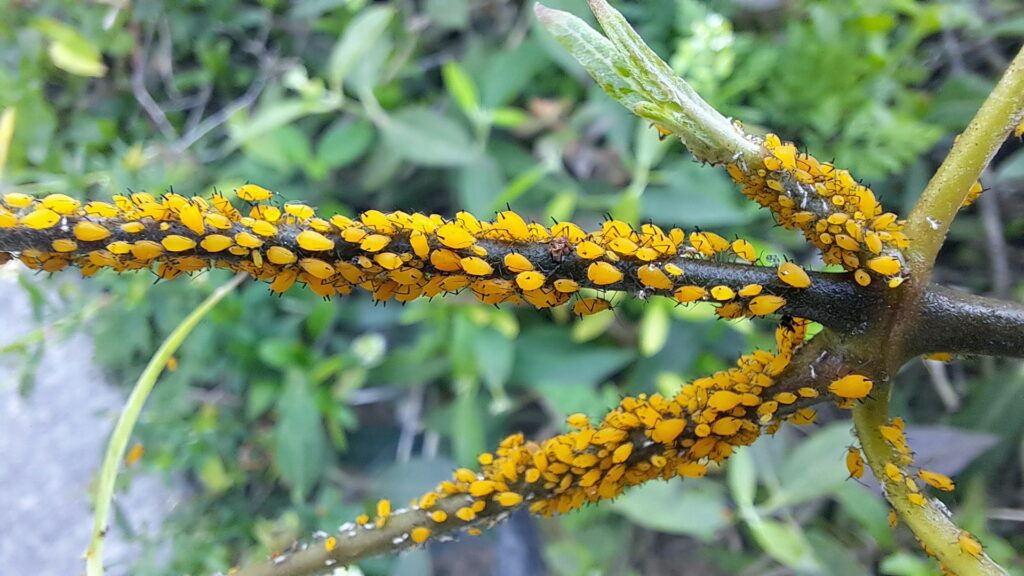
A healthy garden is naturally more resistant to pests and diseases, but even experienced gardeners can unknowingly create conditions that invite unwanted visitors. From aphids and slugs to fungal infections and rodents, many common garden problems are made worse by simple maintenance mistakes. Understanding what attracts pests to your garden can help you prevent infestations before they start and keep your plants growing strong throughout the year.
Overwatering Your Plants
One of the most common gardening mistakes is overwatering. While plants need moisture to thrive, excessive watering creates damp conditions that attract slugs, snails, fungus gnats and various fungal diseases.
Waterlogged soil limits oxygen around plant roots, making plants weaker and more vulnerable to attack. Standing water can also provide breeding grounds for insects.
To avoid this problem, water deeply but less frequently. Check soil moisture before watering and ensure containers and garden beds have adequate drainage. Early morning watering is usually best, as it allows foliage to dry during the day.
Allowing Weeds to Take Over
Weeds are more than just an eyesore. They often act as hosts for pests and plant diseases, providing shelter and food sources that enable infestations to spread.
Aphids, whiteflies and spider mites frequently establish themselves on weeds before moving onto cultivated plants. Weeds also compete with desirable plants for nutrients and water, causing stress that makes them more susceptible to pests.
Regular weeding and mulching will help reduce these risks while keeping your garden looking tidy and healthy.
Leaving Dead Plant Material Behind
Decaying leaves, spent flowers and dying plants can become a haven for pests and disease-causing organisms.
Many fungal spores survive on infected plant debris over winter, ready to spread again when conditions become favourable. Slugs, snails and other garden pests often hide beneath piles of decomposing material during the day.
Make garden clean-up a regular habit. Remove diseased foliage promptly and dispose of heavily infected material rather than adding it to your compost heap.
Planting Too Closely Together
Dense planting may create a lush appearance, but overcrowded plants often experience poor air circulation. This humid environment encourages fungal diseases such as powdery mildew, rust and botrytis.
Closely packed plants also make it easier for pests to move from one plant to another without interruption.
Always follow recommended spacing guidelines for each species. Proper spacing improves airflow, helps foliage dry more quickly after rain and makes it easier to spot potential problems early.
Using Too Much Fertiliser
It is easy to assume that more fertiliser means better growth, but excessive nitrogen can create lush, soft foliage that many pests find irresistible.
Aphids, in particular, are attracted to tender new growth produced by overfed plants. Rapid, weak growth can also leave plants less resilient to disease.
Use fertilisers according to manufacturer recommendations and consider testing your soil before applying nutrients. Balanced feeding promotes healthy growth without encouraging pest problems.
Ignoring Early Signs of Trouble
Small pest populations can quickly become major infestations if left unchecked. Many gardeners overlook early warning signs, such as yellowing leaves, chewed foliage or unusual spots.
Regular inspections allow you to identify issues before they become severe. Check the undersides of leaves where pests often hide and monitor plants carefully during warm growing periods.
Early intervention is usually easier, cheaper and more effective than dealing with a large-scale outbreak.
Choosing the Wrong Plants for the Location
Plants grown in unsuitable conditions often become stressed and vulnerable to pests and diseases. For example, shade-loving plants placed in full sun may struggle, while moisture-loving species can suffer in very dry soil.
Stressed plants produce weaker growth and have fewer natural defences against attackers.
Select plants suited to your local climate, soil type and light conditions. Healthy plants are naturally better equipped to resist common garden threats.
Neglecting Garden Hygiene
Garden tools, pots and equipment can spread diseases throughout the garden if not cleaned regularly. Fungal spores, bacterial infections and pests may hitch a ride from one plant to another.
Clean pruning tools between uses, wash reused containers before planting and remove garden waste promptly.
Good hygiene practices are among the simplest and most effective ways to prevent recurring pest and disease problems.
Conclusion
Many garden pests and diseases thrive because of conditions that gardeners unintentionally create. Overwatering, poor garden hygiene, overcrowding plants and neglecting maintenance can all make your outdoor space more attractive to unwanted visitors. By adopting good gardening practices, monitoring your plants regularly and addressing problems early, you can create a healthier garden that is naturally more resistant to pests and diseases. Taking preventative action today will save time, effort and frustration in the seasons ahead.