A garden pond is much more than a decorative water feature. It is a living ecosystem where plants, fish, beneficial bacteria, insects, and wildlife work together to create a healthy and balanced environment. When properly maintained, a balanced garden pond ecosystem rewards gardeners with clear water, thriving aquatic life, and a beautiful focal point that enhances the entire landscape. Understanding how to manage water plants and pond conditions is the key to long-term success.
Why Pond Balance Matters
A balanced garden pond ecosystem relies on the natural relationship between plants, water, and wildlife. When one part of the system becomes out of balance, problems such as excessive algae growth, poor water quality, and unhealthy fish can quickly develop.
The goal is to create a self-sustaining environment where beneficial bacteria break down organic waste, aquatic plants absorb excess nutrients, and fish and wildlife coexist comfortably. While no pond is completely maintenance-free, a well-balanced ecosystem requires significantly less intervention throughout the year.
The Essential Role of Aquatic Plants
Aquatic plants are one of the most important components of a healthy pond ecosystem. They naturally filter the water by absorbing nutrients that would otherwise feed unwanted algae.
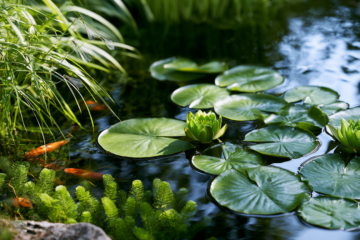
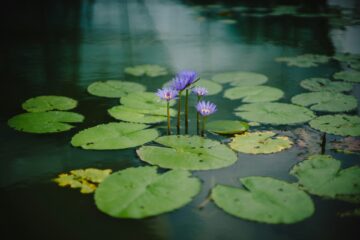
Water lilies are among the most popular pond plants because they provide shade across the water surface. This shade helps regulate water temperatures and limits sunlight penetration, making conditions less favorable for algae growth.
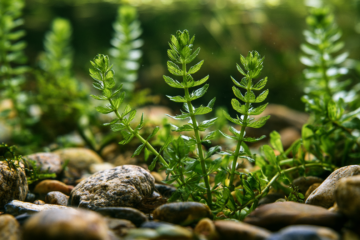
Marginal plants such as iris, marsh marigold, and pickerel weed grow along pond edges and contribute to natural filtration. Submerged oxygenating plants, including hornwort and anacharis, release oxygen into the water and help maintain healthy conditions for fish and beneficial microorganisms.
For optimal balance, aim to cover approximately 50 to 70 percent of the pond surface with aquatic plants during the growing season.
Managing Water Quality
Clear water is often a sign of a healthy pond ecosystem, but water quality involves much more than appearance. Regular monitoring helps prevent issues before they become serious.
Avoid overfeeding fish, as excess food decomposes and increases nutrient levels in the water. Decaying leaves, plant debris, and other organic matter should also be removed regularly. These materials can contribute to sludge buildup and create conditions that encourage algae blooms.
Beneficial bacteria products can help accelerate the breakdown of organic waste and support biological filtration. Combined with proper plant coverage, these natural solutions help maintain cleaner water with minimal chemical intervention.
Supporting Fish and Wildlife
Fish bring movement and life to a garden pond, but proper stocking levels are essential. Too many fish can overload the ecosystem and increase nutrient levels, making it difficult to maintain water clarity.
A balanced pond also attracts a variety of beneficial wildlife, including frogs, dragonflies, and pollinators. These visitors contribute to biodiversity while making the pond more enjoyable to observe.
Providing shallow areas around the pond edge allows wildlife to safely access the water. Rocks, aquatic plants, and natural landscaping create shelter and breeding habitats for many species.
Watering Pond Plants Correctly
Although pond plants grow in water, regular attention is still necessary. Container-grown aquatic plants may require occasional topping up to ensure roots remain submerged. During periods of hot weather, evaporation can significantly reduce water levels.
When adding water to a pond, do so gradually to avoid sudden temperature changes that may stress fish and aquatic life. Rainwater is often ideal when available, but most pond owners successfully use treated tap water while monitoring water quality.
Routine watering and water-level management help maintain stable conditions and support healthy plant growth throughout the season.
Preventing Common Pond Problems
Algae is one of the most common challenges faced by pond owners. The best solution is prevention rather than treatment. Adequate plant coverage, proper fish stocking, and regular maintenance reduce nutrient levels that fuel algae growth.
Installing a quality filtration system can further improve water quality, especially in ponds with fish. Seasonal pond care, including removing fallen leaves in autumn and dividing overgrown plants in spring, helps keep the ecosystem functioning efficiently.
Creating a Thriving Pond Ecosystem
Creating balance in a garden pond ecosystem is about working with nature rather than against it. By choosing the right aquatic plants, maintaining water quality, supporting wildlife, and managing water levels carefully, gardeners can create a healthy and attractive pond that thrives year after year.
A balanced pond not only enhances the beauty of a garden but also provides a valuable habitat for wildlife. With thoughtful planning and consistent care, your garden pond can become a vibrant ecosystem that delivers enjoyment throughout every season.