Organic gardening is a rewarding way to grow healthy plants while supporting the environment. By working with nature rather than relying on synthetic chemicals, gardeners can create thriving landscapes that benefit pollinators, wildlife, and soil health. However, many gardeners make simple mistakes when transitioning to organic methods, which can lead to poor plant growth, pest problems, and disappointing harvests.
Understanding these common organic gardening mistakes and how to avoid them can help you achieve better results while maintaining a sustainable and productive garden.
Not Improving the Soil First
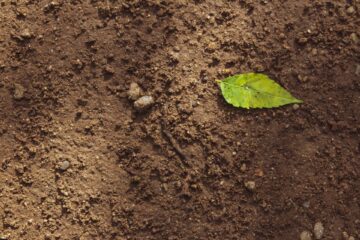
One of the biggest mistakes organic gardeners make is focusing on plants rather than soil. Healthy soil forms the foundation of a successful organic garden. Without nutrient-rich soil, even the healthiest plants can struggle.
Before planting, enrich the soil with compost, well-rotted manure, or leaf mould. These organic materials improve soil structure, increase nutrient availability, and encourage beneficial microorganisms.
Regularly adding organic matter will help create fertile soil that supports healthy plant growth year after year.
Overwatering Plants
Many gardeners assume that more water automatically means healthier plants. In reality, overwatering can cause root rot, fungal diseases, and weak root systems.
A better approach is to water deeply but less frequently. This encourages roots to grow deeper into the soil where moisture is more consistent. Checking the soil before watering can prevent unnecessary irrigation.
Applying mulch around plants can also help retain moisture and reduce the need for frequent watering.
Ignoring Plant Spacing
It’s easy to become enthusiastic when planting and place plants too close together. Overcrowding restricts airflow, increases disease risk, and creates competition for nutrients and water.
Always follow the recommended spacing guidelines provided on plant labels or seed packets. While young plants may initially appear too far apart, they will soon grow into the available space.
Proper spacing helps maintain healthy growth and reduces maintenance throughout the growing season.
Using Too Much Organic Fertiliser
A common misconception is that organic fertilisers cannot be overused. While they are generally gentler than synthetic alternatives, excessive applications can still create nutrient imbalances and encourage weak growth.
Use fertilisers according to their instructions and avoid feeding plants simply because growth appears slow. Soil improvements through compost often provide much of the nutrition plants need.
Understanding your soil’s requirements can help prevent unnecessary feeding.
Neglecting Weed Control
Organic gardening does not mean allowing weeds to flourish. Weeds compete with desirable plants for sunlight, nutrients, and moisture, reducing growth and productivity.
Regular hand weeding, mulching, and hoeing can keep weeds under control before they become a major problem. Tackling weeds while they are young is far easier than dealing with established infestations.
Applying organic mulches is one of the most effective long-term weed prevention strategies.
Expecting Instant Results
Organic gardening focuses on building long-term soil health and natural balance. Unlike synthetic fertilisers that often produce rapid growth, organic methods can take time to show their full benefits.
Many new organic gardeners become discouraged when immediate improvements are not visible. Patience is essential. Soil quality, beneficial insect populations, and plant resilience all improve gradually over time.
The rewards often become more noticeable with each growing season.
Failing to Encourage Beneficial Wildlife
Not all insects are harmful. Ladybirds, lacewings, hoverflies, bees, and other beneficial insects play vital roles in pest control and pollination.
A common mistake is focusing solely on eliminating insects rather than creating a balanced ecosystem. Planting a variety of flowering plants and providing habitats for wildlife can naturally reduce pest populations.
A garden rich in biodiversity is often healthier and more resilient than one that relies on intervention.
Choosing the Wrong Plants
Even the best organic practices cannot compensate for plants being grown in unsuitable conditions. Plants that require full sun will struggle in heavy shade, while moisture-loving plants may fail in dry soil.
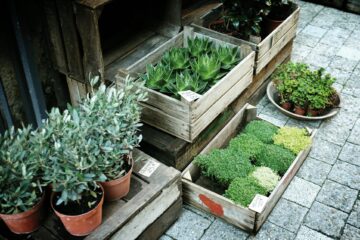
Choose plants that match your garden’s conditions, including sunlight levels, soil type, and climate. Suitable plants are naturally healthier and require fewer resources to maintain.
This simple step can significantly improve gardening success.
Overlooking Crop Rotation
Vegetable gardeners often make the mistake of growing the same crops in the same location every year. This can lead to soil nutrient depletion and increased pest and disease problems.
Rotating crops between different areas of the garden helps break pest cycles and maintains healthier soil. It is a simple but highly effective organic gardening practice.
Keeping a garden journal can make crop rotation easier to manage from year to year.
Conclusion
Organic gardening can produce beautiful flowers, healthy vegetables, and thriving landscapes, but success often depends on avoiding a few common mistakes. By focusing on soil health, watering wisely, controlling weeds, encouraging beneficial wildlife, and selecting the right plants for your conditions, you can build a productive and sustainable garden. With patience and consistent care, organic gardening becomes easier, more rewarding, and increasingly successful with every season.