Growing your own kitchen garden is one of the most rewarding ways to enjoy fresh, homegrown produce while making the most of your outdoor space. Whether you have a large garden, a small patio, or even a sunny balcony, creating a kitchen garden can provide a steady supply of fruit, vegetables, and herbs throughout the year.
What Is a Kitchen Garden?
A kitchen garden is a dedicated area where you grow edible plants for everyday cooking. Traditionally located close to the house for easy access, modern kitchen gardens can be adapted to almost any space. From raised beds and containers to traditional vegetable plots, the aim is to cultivate crops that can be harvested fresh and used straight from the garden to the kitchen.
For beginners, a kitchen garden offers a practical way to learn gardening skills while enjoying healthier, tastier produce.
Start Small and Build Confidence
One of the biggest mistakes new gardeners make is trying to grow too much too soon. A modest kitchen garden is easier to manage and allows you to learn essential growing techniques without feeling overwhelmed.
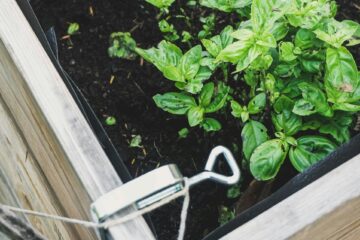
Start with a couple of raised beds, a small vegetable patch, or a selection of containers. Focus on crops that are reliable and productive. Successful early harvests will build confidence and encourage you to expand in future seasons.
A small, well-maintained garden is often more productive than a large area that becomes difficult to manage.
Choose the Right Location
Most fruit and vegetable crops require plenty of sunlight to thrive. Ideally, choose a location that receives at least six to eight hours of direct sunlight each day.
Good drainage is equally important. Waterlogged soil can lead to poor plant growth and increase the risk of disease. If your garden has heavy clay soil, raised beds can provide better growing conditions.
Easy access to a water source will make watering more convenient during dry weather, helping your crops remain healthy and productive.
Prepare Your Soil
Healthy soil is the foundation of a successful kitchen garden. Before planting, remove weeds and improve the soil by adding organic matter such as compost or well-rotted manure.
Organic matter improves soil structure, boosts fertility, and helps retain moisture. Over time, regular additions of compost will create rich, fertile ground capable of supporting a wide range of crops.
If you’re gardening in containers or raised beds, use a high-quality peat-free compost designed for vegetables and edible plants.
Grow Easy Crops for Beginners
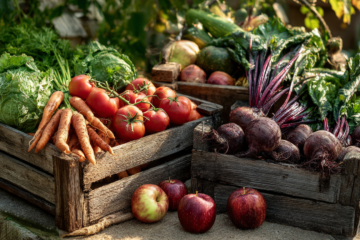
Choosing simple, reliable crops can make all the difference when starting a kitchen garden. Some excellent beginner-friendly options include:
- Lettuce
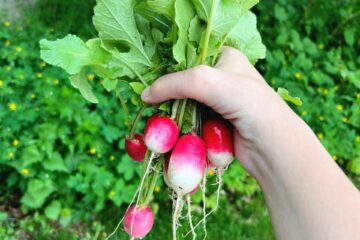
- Radishes
- Spring onions
- Beetroot
- Potatoes
- Courgettes
- French beans
- Tomatoes
- Strawberries
- Herbs such as parsley, chives, mint, and basil
These crops are generally straightforward to grow, produce good yields, and offer plenty of opportunities for harvesting throughout the growing season.
Plan for Continuous Harvests
A productive kitchen garden doesn’t have to provide everything at once. By sowing little and often, you can enjoy fresh produce over a longer period.
For example, sow lettuce, radishes, and spring onions every few weeks from spring through summer. This succession planting approach prevents gluts and ensures a continuous supply of fresh ingredients.
Mixing quick-growing crops with slower-maturing vegetables also helps maximise the use of available space.
Make Space for Fruit
Fruit plants are a valuable addition to any kitchen garden. Strawberries, raspberries, blueberries, and currants can all provide delicious harvests with relatively little maintenance.
Many fruit varieties can be grown successfully in containers, making them suitable for smaller gardens. Dwarf fruit trees are another excellent option, offering fresh apples, pears, or plums without requiring a large orchard.
Once established, fruit plants can provide harvests for many years.
Keep Up with Regular Maintenance
Successful kitchen gardening relies on consistent care. Regular watering, weeding, feeding, and harvesting will keep plants healthy and productive.
Checking crops frequently allows you to spot pests and diseases before they become serious problems. Removing weeds early also reduces competition for nutrients and water.
Even spending just a few minutes in the garden each day can make a significant difference to the success of your crops.
Enjoy the Journey
A kitchen garden is about far more than growing food. It provides an opportunity to connect with nature, spend time outdoors, and gain a deeper appreciation of where food comes from.
Don’t worry if everything isn’t perfect in your first season. Every gardener experiences successes and setbacks along the way. The key is to start simple, learn from experience, and enjoy the process. Before long, you’ll be harvesting fresh vegetables, herbs, and fruit directly from your own garden and discovering just how satisfying a homegrown harvest can be.
Conclusion
Growing your own kitchen garden is an achievable and rewarding project for gardeners of all experience levels. By starting small, selecting easy crops, preparing the soil well, and providing regular care, you can enjoy fresh, homegrown produce throughout the season. With a little planning and patience, your kitchen garden can become a productive and enjoyable part of your outdoor space for years to come.