Creating a garden that feels rich, inviting, and full of character is about more than choosing beautiful plants. One of the most effective garden design techniques is to layering plants to create depth and texture. By learning how to layer plants by combining different heights, shapes, colours, and leaf structures, you can transform even a small outdoor space into a visually stunning landscape that looks attractive throughout the year.
What Is Plant Layering?
Plant layering is the practice of arranging plants in tiers or layers, from the tallest at the back to the shortest at the front. This approach mimics the way plants grow in natural environments and creates a sense of depth, making gardens appear larger and more established.
Whether you are designing a border, shrub bed, cottage garden, or wildlife-friendly planting scheme, layering helps ensure that all plants can be seen and appreciated while creating a balanced and cohesive look.
Start with the Structural Layer
The foundation of any layered garden is the structural layer. These are typically trees, large shrubs, or evergreen plants that provide year-round interest and define the shape of the garden.
Popular structural plants include:
- Box (Buxus)
- Holly (Ilex)
- Photinia
- Japanese maple (Acer palmatum)
- Tree ferns
- Large ornamental grasses
Position these plants towards the back of borders or as focal points within planting areas. Their height and permanent presence help anchor the overall design.
Add Mid-Level Shrubs and Perennials
Once the structural framework is in place, introduce mid-height plants that add colour, texture, and seasonal interest. These plants form the heart of most garden displays.
Good options include:
- Hydrangeas
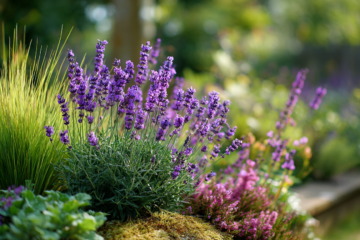
- Lavender
- Salvia
- Hardy geraniums
- Hebe
- Rudbeckia
- Penstemons
These plants help bridge the gap between taller shrubs and lower-growing plants while providing flowers and foliage throughout the growing season.
When selecting plants, choose varieties with different flowering periods to ensure continuous interest from spring through autumn.
Use Low-Growing Plants at the Front
The front layer should consist of compact plants that soften edges and create a neat transition to lawns, pathways, or patios.
Popular low-growing choices include:
- Creeping thyme
- Heuchera
- Sedum
- Aubrieta
- Campanula
- Alpine plants
These plants provide ground-level texture and colour without obscuring taller specimens behind them.
A mixture of evergreen and flowering varieties will help maintain visual appeal throughout the year.
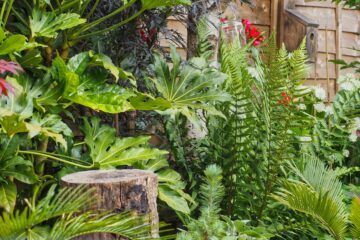
Create Texture Through Foliage
Texture is often overlooked, but it plays a vital role in successful garden design. Contrasting leaf shapes and sizes can make planting schemes feel dynamic and interesting.
Try combining:
- Large-leaved plants such as Gunnera and Rodgersia
- Fine-textured grasses like Stipa tenuissima
- Architectural plants such as Phormium
- Ferns with delicate fronds
- Broad-leaved hostas
The contrast between bold and delicate foliage creates visual interest even when plants are not in flower.
Think About Colour Combinations
Colour can enhance the sense of depth in a garden. Cooler tones such as blues, purples, and silvers tend to recede visually, making areas appear further away. Warmer colours like reds, oranges, and yellows draw the eye forward.
For a layered effect:
- Place cooler colours towards the back of borders.
- Use brighter colours in focal areas.
- Repeat similar colour themes throughout the garden for a cohesive design.
Repeating key colours also helps tie different planting areas together.
Incorporate Ornamental Grasses
Ornamental grasses are among the best plants for adding movement, depth, and texture. Their airy forms help soften rigid planting schemes and create a naturalistic appearance.
Excellent choices include:
- Miscanthus
- Pennisetum
- Stipa
- Calamagrostis
Mixing grasses among flowering perennials creates a layered look that remains attractive well into autumn and winter.
Avoid Common Layering Mistakes
Many gardeners make the mistake of focusing only on flowers. While blooms are important, foliage, structure, and plant form are what create lasting visual impact.
Common mistakes to avoid include:
- Planting everything at the same height.
- Choosing too many similar leaf shapes.
- Ignoring year-round interest.
- Overcrowding plants.
- Neglecting the mature size of shrubs and perennials.
Giving plants adequate space allows each layer to develop properly and prevents borders from becoming cluttered.
Final Thoughts
Learning how to layer plants for depth and texture in your garden can dramatically improve the appearance of any outdoor space. By combining structural plants, mid-level shrubs, low-growing ground cover, ornamental grasses, and contrasting foliage, you can create a garden that feels vibrant, balanced, and professionally designed. Thoughtful plant layering not only maximises visual interest but also ensures your garden remains attractive throughout the seasons, providing colour, texture, and enjoyment year after year.