A healthy garden starts below the surface. While sunlight and water are essential for plant growth, proper nutrition is what truly fuels strong roots, vibrant flowers, abundant harvests, and disease-resistant plants. Understanding the nutrients your garden needs can help you avoid common problems and create a thriving outdoor space all year round.
Why Plant Nutrition Matters
Plants require a range of nutrients to grow, flower, and produce fruit. Just as humans need a balanced diet, plants depend on a variety of essential elements to support their development. When nutrients are lacking, plants often show signs of stress such as yellowing leaves, poor growth, reduced flowering, or lower crop yields.
Healthy soil acts as a reservoir for these nutrients, but over time repeated planting, weather conditions, and harvesting can deplete nutrient levels. This is why feeding your garden correctly is so important.
The Three Primary Nutrients: NPK
When you look at a fertiliser label, you will usually see three numbers representing nitrogen (N), phosphorus (P), and potassium (K). These are known as the primary macronutrients and are required in the largest amounts.
Nitrogen (N)
Nitrogen is responsible for leafy green growth and plays a vital role in photosynthesis. Plants that lack nitrogen often develop pale or yellow leaves and may appear stunted.
Nitrogen is particularly important for:
- Lawns
- Leafy vegetables
- Shrubs and foliage plants
However, too much nitrogen can result in plenty of leaves but fewer flowers and fruits.
Phosphorus (P)
Phosphorus supports root development, flowering, and fruit production. Young plants benefit greatly from adequate phosphorus as they establish themselves.
Phosphorus helps with:
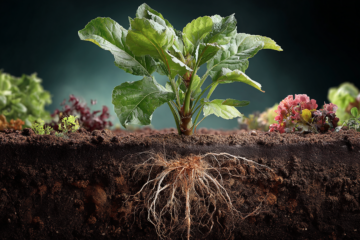
- Strong root systems
- Flower formation
- Fruit and seed development
Low phosphorus levels can lead to poor flowering and weak root growth.
Potassium (K)
Potassium improves overall plant health by strengthening cell walls and supporting water regulation. It helps plants cope with stresses such as drought, disease, and cold temperatures.
Benefits of potassium include:
- Improved disease resistance
- Higher-quality flowers and fruit
- Increased hardiness
Plants low in potassium may develop weak stems and scorched leaf edges.
Secondary Nutrients and Trace Elements
Although needed in smaller quantities, secondary nutrients and micronutrients are just as important.
Key secondary nutrients include:
- Calcium: Supports cell wall development and healthy growth.
- Magnesium: Essential for chlorophyll production and green leaves.
- Sulphur: Helps plants produce proteins and enzymes.
Important trace elements include iron, manganese, zinc, copper, boron, and molybdenum. Deficiencies are less common but can still affect plant performance and appearance.
Organic vs Synthetic Fertilisers
Gardeners often choose between organic and synthetic fertilisers.
Organic fertilisers, such as compost, well-rotted manure, seaweed products, and blood, fish and bone, release nutrients slowly while improving soil structure and microbial activity. They are ideal for building long-term soil health.
Synthetic fertilisers provide nutrients in a readily available form, giving plants a quicker boost when required. They can be highly effective but should be applied carefully to avoid overfeeding and nutrient runoff.
For many gardens, a combination of organic matter and targeted fertiliser applications provides the best results.
Understanding Your Soil
Before feeding your plants, it is important to understand your soil. Sandy soils tend to lose nutrients quickly, while clay soils retain them for longer. Soil testing can reveal nutrient deficiencies and pH levels, helping you choose the right feeding programme.
Adding organic matter regularly improves nearly all soil types by enhancing nutrient retention, drainage, and biological activity.
Feeding Different Types of Plants
Different plants have different nutritional needs.
Vegetables
Vegetable gardens are heavy feeders because crops remove nutrients from the soil. Incorporate compost annually and use balanced fertilisers throughout the growing season.
Flowering Plants
Blooming plants benefit from feeds that contain slightly higher phosphorus and potassium levels to encourage abundant flowers.
Lawns
Grass requires regular nitrogen applications to maintain vigorous growth and a rich green colour.
Trees and Shrubs
Established trees and shrubs generally need less feeding, especially when mulched annually with compost or organic matter.
Signs Your Garden Needs Feeding
Watch for these common warning signs:
- Yellowing leaves
- Slow growth
- Poor flowering
- Small fruit or vegetables
- Weak stems
- Increased susceptibility to pests and diseases
Addressing nutrient deficiencies early helps plants recover faster and perform at their best.
Conclusion
Understanding plant nutrition is one of the most effective ways to improve the health and productivity of your garden. By providing the right balance of nutrients, improving soil quality, and tailoring your feeding programme to different plants, you can create stronger, healthier growth throughout the year. A well-fed garden not only looks better but also rewards you with more flowers, bigger harvests, and plants that are better equipped to handle environmental challenges.