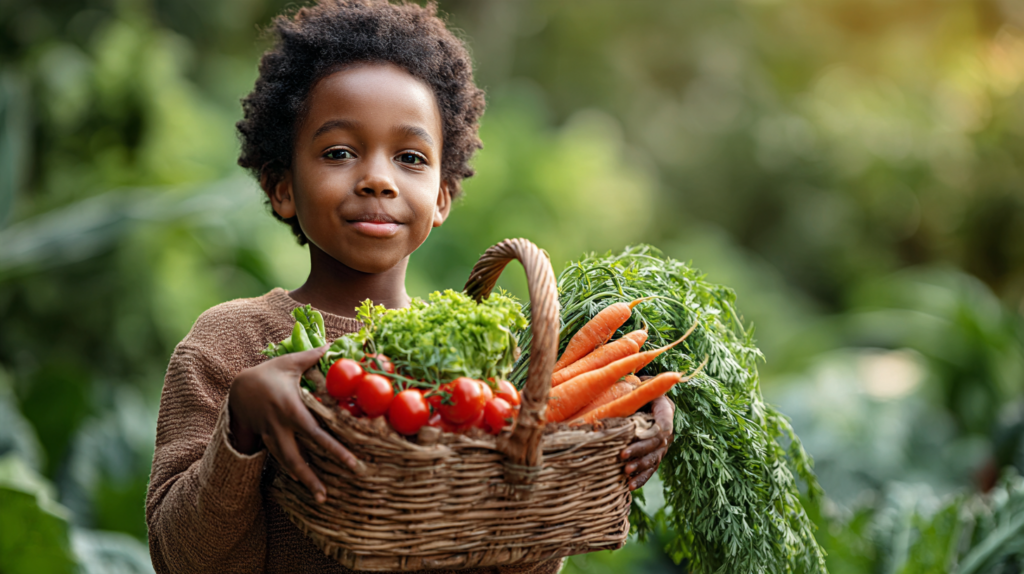
Getting children excited about gardening can be one of the most rewarding ways to spend time outdoors as a family. Gardening teaches valuable life skills, encourages curiosity about nature, and helps children develop patience and responsibility. In a world increasingly dominated by screens, introducing youngsters to gardening can provide a fun, hands-on activity that sparks creativity and a lifelong appreciation for the natural environment.
Let Them Grow Their Own Plants
One of the easiest ways to engage children is to give them ownership of their own small growing space. Whether it’s a raised bed, a container, or a corner of the garden, having a dedicated area helps children feel responsible and invested.
Choose fast-growing plants that provide quick results. Sunflowers, radishes, lettuce, peas, and cress are excellent options for beginners. Watching seeds sprout and develop into mature plants creates excitement and a sense of achievement.
Encourage children to personalise their gardening space with hand-painted plant markers or colourful decorations. The more connected they feel to the area, the more eager they will be to care for it.
Turn Gardening into a Treasure Hunt
Children naturally love exploring and discovering new things. Transform your garden into an adventure by creating nature-based treasure hunts.
Ask children to find:
- A ladybird
- A feather
- A flower of a specific colour
- A smooth stone
- A heart-shaped leaf
This activity encourages observation skills while helping children learn about different plants, insects, and wildlife that share their outdoor space.
Grow Unusual and Exciting Plants
Many children are fascinated by unusual shapes, colours, and sizes. Growing unusual crops can make gardening feel more like a science experiment.
Popular choices include:
- Giant sunflowers
- Mini pumpkins
- Rainbow carrots
- Purple beans
- Strawberry plants
- Ornamental gourds
Creating themed growing projects, such as a “pizza garden” containing tomatoes, basil, and peppers, can also make gardening more engaging and educational.
Create a Wildlife-Friendly Garden
Children often enjoy animals and insects more than plants. Use this interest to encourage gardening participation.
Help children attract wildlife by:
- Building a bug hotel
- Installing a bird feeder
- Planting pollinator-friendly flowers
- Creating a small pond
- Growing nectar-rich plants
As birds, butterflies, bees, and other visitors arrive, children begin to understand how gardens support local ecosystems.
Make Gardening Creative
Gardening offers endless opportunities for creativity. Combining art projects with gardening activities can capture the attention of children who may not initially be interested in growing plants.
Fun ideas include:
- Decorating flower pots
- Painting garden stones
- Making fairy gardens
- Building scarecrows
- Designing garden signs
These projects allow children to express themselves while developing a stronger connection with the garden.
Grow Something They Can Eat
Many children become far more interested in gardening when food is involved. Planting fruits, vegetables, and herbs allows them to experience the entire journey from seed to plate.
Easy crops for children include:
- Strawberries
- Cherry tomatoes
- Sugar snap peas
- Carrots
- Mint
- Lettuce
Harvesting and tasting home-grown produce often encourages children to try foods they may not normally eat. The excitement of picking fresh produce can be a powerful motivator.
Create Gardening Challenges
Adding a sense of competition can make gardening even more enjoyable.
Consider challenges such as:
- Tallest sunflower competition
- Largest pumpkin contest
- First pea harvested
- Most flowers grown
- Best-looking container display
Friendly challenges keep children engaged throughout the growing season and give them goals to work towards.
Use Gardening as a Learning Opportunity
Gardening naturally supports learning in a practical and enjoyable way. Children can develop skills in science, maths, and problem-solving without feeling as though they are in a classroom.
They can learn about:
- Plant life cycles
- Weather patterns
- Pollination
- Soil health
- Measuring plant growth
Keeping a gardening journal with drawings, measurements, and observations can make the experience even more educational and memorable.
Celebrate Every Success
Children thrive on encouragement. Whether a seed germinates, a flower blooms, or a tomato ripens, celebrate these achievements. Positive reinforcement helps build confidence and enthusiasm.
Photograph progress throughout the season and create a scrapbook or garden diary. Looking back on what they have grown can inspire children to continue gardening year after year.
Conclusion
Finding creative ways to get children interested in gardening can transform outdoor spaces into places of adventure, learning, and discovery. By making gardening fun, interactive, and rewarding, parents and carers can help youngsters develop valuable skills while fostering a lasting connection with nature. From growing colourful vegetables to creating wildlife habitats and garden challenges, there are countless ways to inspire the next generation of gardeners and make gardening a favourite family activity.