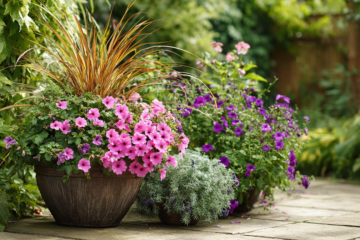
Growing shrubs in containers is an excellent way to add structure, colour, and year-round interest to patios, balconies, courtyards, and gardens of all sizes. Whether you have limited outdoor space or simply want the flexibility to move plants around, container-grown shrubs can provide a stunning focal point while offering greater control over growing conditions.
With the right planting techniques and ongoing care, many shrubs thrive in containers for years. Here is everything you need to know to achieve success when growing shrubs in pots.
Why Grow Shrubs in Containers?
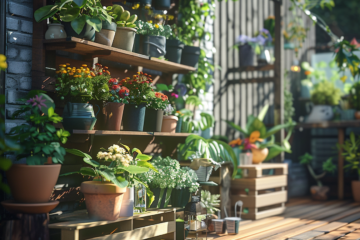
Container gardening offers several advantages for both beginner and experienced gardeners. Shrubs grown in pots can enhance entrances, frame pathways, brighten seating areas, and provide seasonal interest in spaces where traditional garden borders may be unavailable.
Container growing is also ideal for gardeners who want to cultivate plants that may not naturally suit their soil conditions. By selecting the appropriate compost and container, you can create the perfect environment for a wide variety of shrubs.
Choosing the Right Shrubs
Not all shrubs perform equally well in containers. Compact or slow-growing varieties generally adapt best because they require less root space and maintenance.
Popular shrubs for containers include:
- Hydrangeas
- Hebes
- Skimmias
- Camellias
- Lavender
- Dwarf conifers
- Pieris
- Boxwood
- Japanese maple varieties
- Evergreen euonymus
Evergreen shrubs are particularly valuable as they provide year-round colour and structure, even during the winter months.
Selecting the Perfect Container
The size and quality of the container play a crucial role in the long-term health of your shrub.
Choose a pot that is significantly larger than the shrub’s root ball to allow room for growth. Containers should always have drainage holes to prevent waterlogging, which can lead to root rot and plant decline.
Common container materials include:
- Terracotta
- Ceramic
- Plastic
- Fibreglass
- Wood
- Stone composite
Heavier containers provide greater stability for larger shrubs, especially in exposed locations where strong winds may be a concern.
Using the Right Compost
Shrubs require a high-quality growing medium that retains moisture while allowing excess water to drain away.
For most container shrubs, a premium multi-purpose compost mixed with added grit or perlite works well. Acid-loving shrubs such as camellias, pieris, and some hydrangeas should be planted in ericaceous compost to maintain healthy growth and flowering.
Fresh compost provides essential nutrients that help shrubs establish quickly and develop strong root systems.
Planting Shrubs in Containers
Proper planting gives your shrub the best possible start.
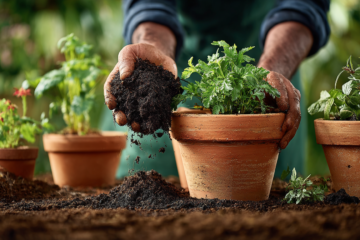
Begin by placing crocks or a layer of coarse material over the drainage holes to prevent blockages. Fill the container partially with compost before positioning the shrub at the same depth it was growing in its nursery pot.
Backfill around the root ball, gently firming the compost to remove air pockets. Water thoroughly after planting to help settle the roots and ensure good contact with the growing medium.
Apply a decorative mulch such as bark chippings or gravel to improve moisture retention and enhance appearance.
Watering and Feeding
Container-grown shrubs rely entirely on you for water and nutrients.
During warm weather, pots can dry out much faster than garden soil. Check moisture levels regularly and water deeply whenever the compost begins to dry.
Feeding is equally important because nutrients are gradually washed out through drainage. Apply a balanced slow-release fertiliser in spring and supplement with liquid feeds during the growing season where necessary.
Consistent watering and feeding will encourage healthy foliage, stronger growth, and improved flowering performance.
Pruning and Maintenance
Regular maintenance helps shrubs remain attractive and manageable in containers.
Remove dead, damaged, or diseased branches as soon as they appear. Light pruning after flowering can encourage compact growth and maintain the desired shape.
Inspect plants regularly for pests and diseases, particularly aphids, scale insects, and fungal problems. Early detection allows for quicker treatment and prevents more serious issues from developing.
Repotting for Long-Term Success
Over time, shrubs will outgrow their containers and become root-bound. Signs include reduced growth, frequent drying out, and roots emerging from drainage holes.
Most container shrubs benefit from repotting every two to three years. Move the plant into a slightly larger container and refresh the compost to restore nutrients and improve root health.
If a larger pot is impractical, root pruning combined with fresh compost can help maintain mature shrubs in their existing container.
Final Thoughts
Growing shrubs in containers is a rewarding way to introduce lasting beauty and structure to any outdoor space. By selecting suitable varieties, using quality compost, providing regular watering and feeding, and repotting when needed, you can enjoy healthy, thriving shrubs for many years. With proper care, container-grown shrubs can become impressive focal points that enhance patios, balconies, and gardens throughout every season.
Keep on top of your gardening with our free online journal
Our free online tool allows you to organise your ideas and garden plans and help you be as efficient as possible in the garden.
Sign up now