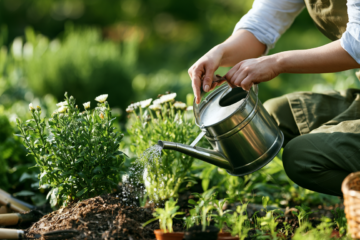
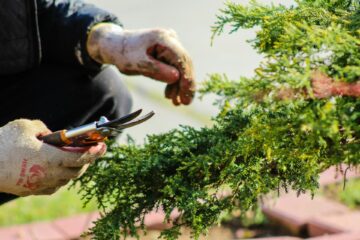
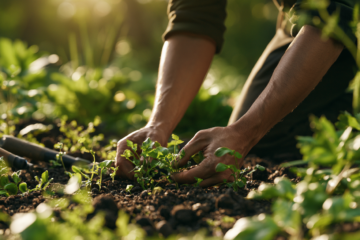
Starting a garden is an exciting journey, but choosing the right plants can feel overwhelming when faced with countless options at garden centres and online nurseries. The good news is that successful gardening does not require expert knowledge from day one. By selecting plants that match your garden’s conditions and your level of experience, you can create a beautiful outdoor space that thrives with minimal frustration. This guide will help beginners choose the right plants and set themselves up for gardening success.
Understand Your Garden Conditions
Before buying any plants, take some time to assess your garden. Different plants have different growing requirements, and matching these needs to your garden is one of the most important steps.
Start by observing how much sunlight each area receives. Some plants need full sun, meaning at least six hours of direct sunlight per day, while others prefer partial shade or full shade. Planting a sun-loving flower in a shady corner is a common beginner mistake that often leads to poor growth.
Next, consider your soil type. Is it sandy, clay-based, or somewhere in between? Healthy soil supports strong root development and helps plants absorb nutrients effectively. If you are unsure about your soil, many garden centres sell simple testing kits.
Also think about your local climate. Selecting plants that are well suited to your region will make them easier to grow and maintain throughout the year.
Start with Easy-to-Grow Plants
As a beginner, it makes sense to focus on plants that are known for being low maintenance and forgiving of minor mistakes.
Some excellent beginner-friendly flowers include:
- Marigolds
- Geraniums
- Cosmos
- Sunflowers
- Nasturtiums
These plants grow quickly and produce colourful blooms with relatively little care.
For shrubs, consider:
- Hydrangeas
- Hebes
- Spiraea
- Potentilla
These options provide structure, colour, and seasonal interest while generally requiring minimal pruning.
If you want to grow vegetables, start with reliable crops such as:
- Lettuce
- Radishes
- Courgettes
- Potatoes
- Runner beans
These vegetables tend to be productive and rewarding, making them ideal for new gardeners.
Choose Plants That Match Your Available Time
Many beginners underestimate the amount of maintenance some plants require. Be realistic about how much time you can dedicate to your garden.
If you prefer a low-maintenance garden, choose hardy perennials that return year after year with little attention. Examples include lavender, sedum, hardy geraniums, and daylilies.
If you enjoy regular gardening tasks and experimenting with colour, annual flowers can provide spectacular seasonal displays. However, they may require more frequent watering, feeding, and deadheading.
Selecting plants that fit your lifestyle helps ensure your garden remains enjoyable rather than becoming a chore.
Consider Plant Size and Growth Habits
A small plant at the garden centre may eventually become much larger than expected. Always read the plant label and check the mature height and spread.
Avoid planting large shrubs too close together, as overcrowding can lead to poor air circulation and increased disease risk. Give plants enough space to grow naturally without competing for light and nutrients.
Understanding growth habits is equally important. Some plants spread rapidly, while others remain compact and tidy. As a beginner, choosing well-behaved varieties can make garden management much easier.
Mix Evergreen and Seasonal Interest
A well-balanced garden looks attractive throughout the year. Evergreen plants provide structure and colour even during winter, while flowering plants deliver seasonal highlights.
Good evergreen choices include:
- Box
- Skimmia
- Euonymus
- Pieris
Combine these with flowering perennials and bulbs such as daffodils, tulips, and alliums to create interest across multiple seasons.
This approach ensures your garden never looks completely bare and provides continuous visual appeal.
Buy Healthy Plants
When shopping for plants, inspect them carefully before purchasing. Look for healthy green leaves, sturdy stems, and signs of active growth.
Avoid plants with:
- Yellowing leaves
- Wilted foliage
- Obvious pest damage
- Signs of disease
Healthy plants establish more quickly and are more likely to thrive once planted in your garden.
Learn as You Grow
No gardener gets everything right the first time. Gardening is a learning experience, and even experienced gardeners occasionally lose plants.
Start small rather than filling every space immediately. Grow a few reliable varieties, observe how they perform, and gradually expand your plant collection as your confidence grows.
Keeping notes on what works well in your garden can also help you make better planting decisions in future seasons.
Conclusion
Choosing the right plants as a beginner does not have to be complicated. Focus on understanding your garden’s conditions, selecting easy-to-grow varieties, and choosing plants that suit both your climate and lifestyle. By starting with reliable, low-maintenance options and giving them the right growing conditions, you can build a thriving garden that rewards you with colour, beauty, and enjoyment for years to come. Whether you are growing flowers, shrubs, or vegetables, the right plant choices will make your gardening journey far more successful and enjoyable.