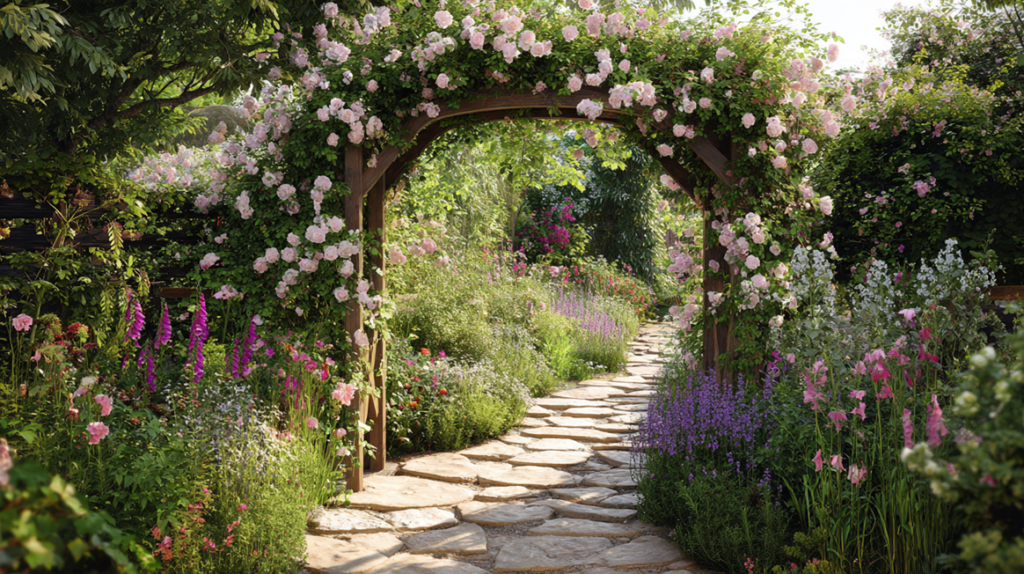
A well-designed garden is about more than colourful plants and neatly maintained lawns. Creating visual interest often means making use of the vertical space available, and one of the most effective ways to achieve this is with a garden arch. Whether positioned over a pathway, used as a focal point, or combined with climbing plants, garden arches can transform an outdoor space by adding height, structure, and year-round character.
Why Garden Arches Are So Popular
Garden arches have long been a favourite feature in British gardens. They provide an attractive way to introduce vertical design elements without taking up a large amount of ground space. This makes them particularly useful in smaller gardens where every square metre matters.
An arch naturally draws the eye upwards, creating the illusion of a larger and more layered garden. Even a simple archway can make a landscape feel more sophisticated and carefully planned. In larger gardens, arches help define different areas, creating a sense of journey and discovery as visitors move through the space.
Adding Height to Your Garden Design
One of the biggest advantages of a garden arch is the height it adds. Many gardens can appear flat, especially if most planting remains close to the ground. By introducing an arch, you instantly create a vertical focal point that breaks up horizontal lines and adds depth.
Garden arches are particularly effective when covered with climbing plants. Popular choices include:
- Climbing roses
- Clematis
- Honeysuckle
- Wisteria
- Jasmine
- Rambling roses
These plants grow upwards and across the structure, creating stunning displays that can soften the appearance of the arch while adding colour, fragrance, and texture.
In small gardens, an arch covered in flowers can create a dramatic feature without reducing precious growing space. In larger landscapes, a series of arches can create an elegant walkway or tunnel effect.
Creating Focal Points and Garden Features
Every successful garden benefits from having focal points that draw attention and create visual balance. A garden arch naturally serves this purpose.
Placing an arch at the end of a path encourages visitors to explore further. It can frame a beautiful view, highlight a seating area, or mark the entrance to a vegetable garden, patio, or secret garden space.
An arch can also be decorated seasonally, making it a versatile garden feature. Summer displays of roses can give way to autumn foliage, while evergreen climbers help maintain structure during winter months.
Defining Different Garden Zones
Modern garden design often involves dividing outdoor spaces into separate areas for different activities. Garden arches provide a simple and attractive way to define these zones without installing solid barriers.
For example, an arch can separate:
- A lawn from a patio area
- An ornamental garden from a vegetable plot
- A children’s play space from entertaining areas
- A formal garden from a wildlife-friendly section
Unlike fences or walls, arches maintain an open and airy feel while still providing a clear transition between different parts of the garden.
Choosing the Right Garden Arch
Garden arches are available in a wide variety of materials and styles. Choosing the right option depends on the look you want to achieve and the level of maintenance you are prepared to undertake.
Wooden Arches
Wooden arches offer a traditional appearance that suits cottage gardens and natural planting schemes. Pressure-treated timber can provide many years of durability while blending beautifully into outdoor surroundings.
Metal Arches
Metal arches are often favoured for contemporary and formal gardens. Powder-coated steel and wrought iron designs are durable, stylish, and capable of supporting heavier climbers such as mature wisteria.
Decorative Arches
Some arches feature integrated trellis panels, gates, or decorative scrollwork. These can become striking standalone features even before plants have fully established themselves.
Making the Most of Your Garden Arch
To maximise the impact of a garden arch, think carefully about positioning. Installing an arch where it can be viewed from the house helps create an attractive focal point throughout the year. Pairing it with matching planting on either side can produce a balanced and professional-looking design.
Lighting can also enhance the effect. Solar-powered lanterns, string lights, or subtle uplighting can turn an arch into a striking feature during the evening, extending the enjoyment of your outdoor space after sunset.
Final Thoughts
Garden arches are one of the simplest yet most effective accessories for adding height, structure, and visual interest to outdoor spaces. Whether you choose a traditional timber design wrapped in climbing roses or a sleek metal arch supporting fragrant jasmine, the addition of vertical interest can completely transform the character of a garden. By creating focal points, defining zones, and showcasing beautiful climbing plants, a garden arch offers both practical benefits and lasting aesthetic appeal, making it a valuable addition to gardens of all sizes.