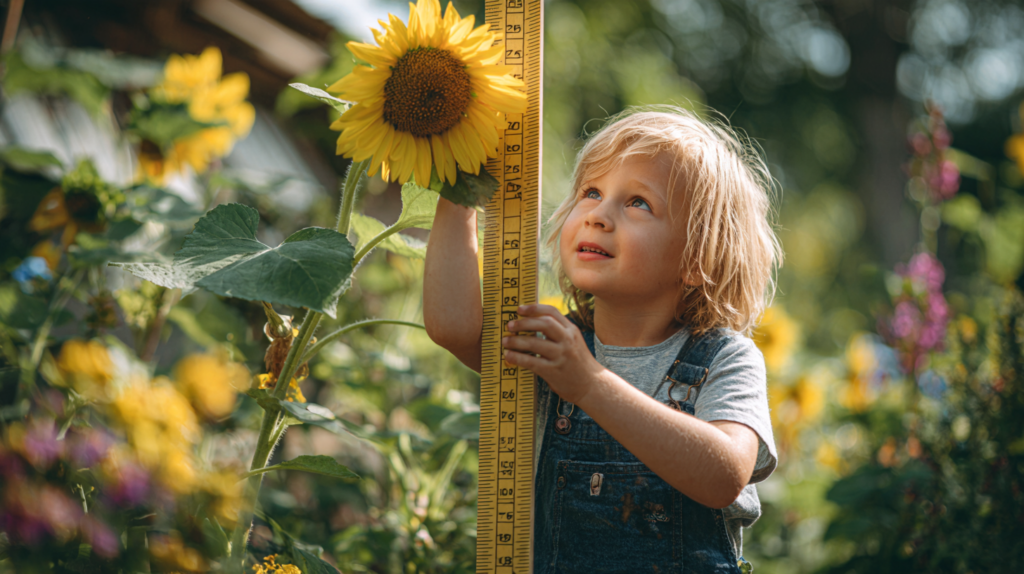
Creating a rainbow garden is a fantastic way to introduce children to gardening while encouraging creativity, curiosity, and a love of nature. By planting flowers and foliage in a variety of bright colours, you can turn an ordinary garden bed, raised planter, or collection of pots into a vibrant outdoor space that children will be excited to care for and watch grow.
A rainbow garden is also an excellent educational project. Children can learn about colours, plant life cycles, pollinators, and seasonal changes while gaining practical gardening skills. Best of all, many colourful plants are easy to grow, making them ideal for young gardeners.
Why Create a Rainbow Garden?
Gardening with children offers a range of benefits beyond simply growing plants. It helps develop patience, responsibility, and confidence as children care for their plants and see the results of their efforts.
A rainbow-themed garden is particularly appealing because it provides clear visual goals. Children can match plants to different colours of the rainbow and take pride in creating a living display that changes and develops throughout the year.
Rainbow gardens can be grown in flower beds, borders, containers, or even small balcony spaces, making them suitable for gardens of all sizes.
Red: Bright and Eye-Catching Flowers
Red flowers are a great place to start because they immediately attract attention.
Nasturtiums are one of the best options for children. Their bright red blooms are easy to grow from seed, and the flowers are edible, adding an extra layer of interest.
Red Zinnias are another child-friendly choice. They germinate quickly and continue producing colourful blooms throughout summer, rewarding young gardeners with plenty of flowers.
Orange: Warm and Cheerful Colour
Orange flowers bring energy and brightness to the garden.
Calendula, often called pot marigold, is easy to grow from seed and produces cheerful orange flowers for months. Children often enjoy collecting the seeds at the end of the season to grow again next year.
French Marigolds are another excellent choice. Their vibrant flowers are simple to care for and help attract pollinators such as bees and butterflies into the garden.
Yellow: Sunshine in the Garden
Yellow flowers add a sunny feel to any rainbow display.
Sunflowers are often a favourite among children. Watching a tiny seed turn into a towering plant can be a memorable gardening experience. Dwarf varieties are particularly suitable for smaller gardens and containers.
Coreopsis also provides plenty of golden-yellow blooms and attracts beneficial insects that support a healthy garden ecosystem.
Green: Beautiful Foliage Counts Too
Not every colour in a rainbow garden has to come from flowers. Green provides an important backdrop that highlights brighter blooms.
Plants such as Lettuce, Herbs, and ornamental foliage plants can fill this role. Children often enjoy growing edible plants because they can harvest and taste the results of their work.
Hostas with large green leaves can also add texture and visual interest to shaded areas.
Blue: A Rare and Magical Colour
Blue flowers are less common, which makes them especially exciting for children.
Cornflowers offer brilliant blue blooms and are easy to grow from seed. They are also popular with bees.
Lobelia produces masses of tiny blue flowers that work beautifully in containers, hanging baskets, and border edges.
Indigo and Purple: Finishing the Rainbow
Purple and indigo shades create a striking finish to the rainbow theme.
Lavender is a wonderful choice. Its fragrant flowers attract pollinators and introduce children to different scents in the garden.
Petunias and Violas are available in a range of purple tones and flower for extended periods, providing long-lasting colour.
Making the Project Fun for Children
To make the rainbow garden even more engaging, let children help choose the plants and design the layout. They can arrange flowers by colour order or create colourful patterns of their own.
Simple activities such as decorating plant labels, keeping a gardening journal, measuring sunflower growth, or counting visiting butterflies can add educational value while keeping children interested throughout the season.
Final Thoughts
A rainbow garden is a fun and rewarding way to encourage children to spend more time outdoors and discover the joys of gardening. By selecting colourful, easy-to-grow plants such as sunflowers, nasturtiums, marigolds, cornflowers, lavender, and petunias, families can create a vibrant display that offers learning opportunities as well as visual appeal. Whether grown in a large garden or a collection of pots, a rainbow garden can inspire children to develop a lifelong appreciation for plants and nature.