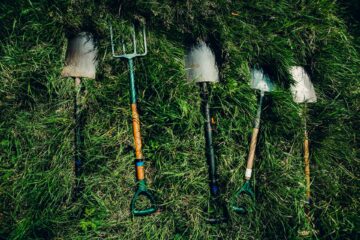
Good-quality garden tools are an investment that can last for many years when properly maintained. Whether you use hand trowels, secateurs, spades, lawnmowers, or hedge trimmers, regular care helps improve performance, extend lifespan, and save money on replacements. Well-maintained gardening equipment also makes garden tasks easier, safer, and more efficient.
In this guide, we’ll explore practical ways to maintain and care for your garden equipment so it remains in excellent condition throughout the year.
Why Garden Tool Maintenance Matters
Garden tools are exposed to mud, moisture, plant sap, and harsh weather conditions. Without proper cleaning and maintenance, rust can develop, cutting edges become dull, and moving parts may seize up.
Regular maintenance offers several benefits:
- Extends the life of your tools
- Improves cutting and digging performance
- Reduces the risk of spreading plant diseases
- Enhances safety during use
- Saves money on repairs and replacements
By spending just a few minutes caring for your equipment after use, you can avoid many common problems.
Clean Tools After Every Use
One of the simplest and most effective maintenance habits is cleaning your tools after each gardening session.
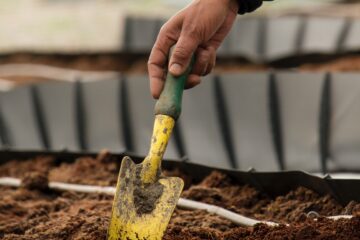
Remove soil from digging tools such as spades, forks, and trowels using a stiff brush or hose. Any remaining dirt can trap moisture against metal surfaces, encouraging rust.
Pruning tools, secateurs, and shears should be wiped clean to remove sap and plant residue. Sticky blades can affect cutting performance and may harbour harmful bacteria or fungal spores.
Allow tools to dry thoroughly before storing them to prevent corrosion.
Keep Blades Sharp
Sharp tools make gardening easier and produce cleaner cuts that are healthier for plants.
Secateurs, loppers, shears, and pruning saws should be sharpened regularly using a sharpening stone, diamond file, or specialist tool sharpener. Aim to maintain the original bevel angle of the blade for the best results.
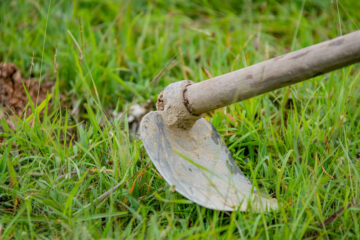
Digging tools such as spades and hoes can also benefit from occasional sharpening. A sharp edge cuts through soil more efficiently and reduces physical effort.
Regular sharpening not only improves performance but also reduces wear on both the tool and the user.
Protect Against Rust
Rust is one of the biggest threats to garden equipment. Fortunately, preventing it is relatively straightforward.
After cleaning and drying tools, apply a light coating of lubricating oil to metal parts. Linseed oil can also be used on wooden handles to help prevent drying and cracking.
For tools that have already developed minor rust spots, use wire wool or a wire brush to remove corrosion before applying a protective oil treatment.
Storing tools in a dry environment is equally important for rust prevention.
Inspect Handles and Moving Parts
Damaged handles can make tools uncomfortable to use and may create safety hazards.
Regularly inspect wooden handles for splinters, cracks, or signs of rot. Sand rough areas and apply linseed oil to nourish the wood and improve durability.
For tools with moving parts, such as secateurs, hedge shears, and loppers, check that bolts and screws remain tight. Lubricate hinges and springs regularly to ensure smooth operation.
Replacing worn components early can prevent more costly repairs later.
Store Equipment Correctly
Proper storage plays a significant role in extending the life of garden tools.
Whenever possible, store equipment indoors in a shed, garage, or dedicated garden storage area. Hanging tools on wall-mounted racks helps keep them organised while preventing damage to blades and handles.
Avoid leaving tools outdoors, even for short periods. Exposure to rain and fluctuating temperatures can quickly lead to rust and deterioration.
Smaller hand tools can be stored in a toolbox or storage cabinet to keep them dry and readily accessible.
Maintain Power Garden Equipment
Power tools require additional care to remain safe and effective.
For electric hedge trimmers, lawnmowers, and strimmers, regularly inspect cables for signs of wear or damage. Keep air vents clear of debris and clean cutting attachments after use.
Petrol-powered equipment requires routine servicing, including checking oil levels, cleaning air filters, and inspecting spark plugs. Follow the manufacturer’s maintenance recommendations to ensure optimum performance.
Battery-powered tools should be stored according to manufacturer guidelines, especially during colder months when battery performance can be affected.
Create a Regular Maintenance Routine
The easiest way to keep tools in excellent condition is to establish a simple maintenance routine.
After each use:
- Remove soil and debris
- Dry tools thoroughly
- Wipe down blades
Monthly:
- Inspect handles and fasteners
- Lubricate moving parts
- Check for rust
Seasonally:
- Sharpen blades
- Oil metal surfaces
- Deep-clean power equipment
A consistent routine helps identify problems before they become serious.
Conclusion
Knowing how to maintain and care for your garden equipment is an essential part of successful gardening. Clean, sharp, and well-maintained tools not only last longer but also make every gardening task safer and more enjoyable. By cleaning tools after use, preventing rust, sharpening blades, and storing equipment correctly, you can protect your investment and ensure your garden tools remain reliable for years to come. With a little regular attention, your equipment will continue to perform at its best season after season.