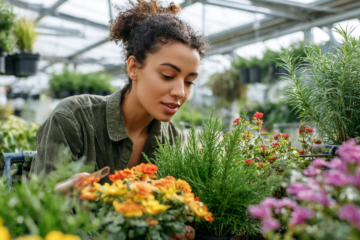
Starting your first garden can feel overwhelming, especially when you’re faced with countless plant choices, gardening tools, and advice from experienced gardeners. The good news is that creating a successful garden doesn’t have to be complicated. With some basic planning and a little patience, you can grow flowers, vegetables, herbs, or a combination of all three.
If you’re new to gardening, this beginner’s guide will help you start your first garden from scratch and set yourself up for long-term success.
Choose the Right Location
The location of your garden is one of the most important decisions you’ll make. Most vegetables, herbs, and flowering plants thrive in areas that receive at least six hours of direct sunlight each day.
Spend a few days observing your outdoor space to identify the sunniest spots. Also consider access to water, protection from strong winds, and how easily you can reach the garden for regular maintenance.
Starting with the right location can prevent many common gardening problems later on.
Decide What You Want to Grow
Before buying seeds or plants, think about your gardening goals.
If you enjoy cooking, consider growing herbs such as basil, parsley, mint, or rosemary. For a productive vegetable garden, beginner-friendly options include lettuce, tomatoes, courgettes, carrots, and radishes. If you’re looking to enhance your outdoor space, colourful flowers such as marigolds, sunflowers, and petunias are excellent choices.
Start small rather than trying to grow too much in your first season. A manageable garden is more enjoyable and easier to maintain.
Prepare Your Soil
Healthy plants begin with healthy soil.
Remove weeds, stones, and debris from the area before planting. If possible, mix compost or well-rotted organic matter into the soil to improve its structure and nutrient content.
Good soil helps roots develop properly, improves drainage, and provides essential nutrients for plant growth. Investing time in soil preparation is one of the most valuable steps a beginner gardener can take.
Choose Between Seeds and Young Plants
New gardeners often wonder whether they should start with seeds or purchase young plants.
Seeds are usually cheaper and offer a wider variety of options, but they require more patience and attention during early growth. Young plants, sometimes called seedlings or starter plants, provide quicker results and are often easier for beginners to manage.
A combination of both can be a great approach, allowing you to gain experience while enjoying faster rewards.
Water Correctly
Watering is essential, but more isn’t always better.
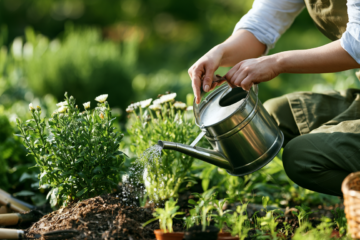
Most plants benefit from deep watering rather than frequent shallow watering. Aim to keep the soil consistently moist without allowing it to become waterlogged.
Early morning is generally the best time to water, as it allows plants to absorb moisture before the heat of the day. Proper watering encourages stronger roots and healthier growth throughout the season.
Add Mulch for Better Results
Mulch is one of the simplest ways to improve your garden.
A layer of bark, compost, straw, or other organic material placed around plants helps retain moisture, suppress weeds, and regulate soil temperature. It also gives garden beds a neat and professional appearance.
Using mulch can significantly reduce the amount of maintenance required, making it especially useful for beginners.
Stay on Top of Weeds
Weeds compete with your plants for water, nutrients, and sunlight.
Check your garden regularly and remove weeds while they are still small. This task becomes much easier when done little and often rather than allowing weeds to become established.
Combining regular weeding with mulch can greatly reduce future weed problems.
Be Patient and Learn as You Go
Every gardener makes mistakes, especially when starting out. Some plants may thrive while others struggle, and weather conditions can affect results from year to year.
Treat your first garden as a learning experience. Take notes on what works well, experiment with different plants, and don’t be discouraged by setbacks. Gardening is a skill that improves with practice and observation.
Final Thoughts
Starting your first garden from scratch doesn’t require expert knowledge or a large budget. By choosing the right location, preparing your soil, selecting suitable plants, and maintaining a simple care routine, you can create a thriving garden that brings enjoyment throughout the growing season.
Whether you’re growing fresh vegetables, fragrant herbs, or beautiful flowers, the rewards of gardening make the effort worthwhile. The best time to start is now, and every experienced gardener began with that very first plant. 🌱🌼🌿