Starting a garden can feel overwhelming when there is so much advice available. The good news is that successful gardening often comes down to mastering a few simple, repeatable tasks. Whether you have a large garden, a small patio, or a collection of pots, learning these basic skills will help your plants thrive and build your confidence as a gardener.
Here are seven essential garden tasks every beginner should master.
1. Watering Properly
One of the most common mistakes new gardeners make is either overwatering or underwatering plants. Understanding when and how to water is a vital gardening skill.
Most plants prefer a deep soak rather than frequent light watering. Deep watering encourages roots to grow further into the soil, making plants more resilient during dry periods. Early morning is usually the best time to water because it reduces evaporation and allows foliage to dry during the day.
Check the soil before watering. If the top few centimetres feel dry, it is often time to water. Container plants usually need more frequent watering than those growing directly in the ground.
2. Weeding Regularly
Weeds compete with your plants for water, nutrients, and sunlight. If left unchecked, they can quickly take over flower beds and vegetable patches.
The secret to effective weeding is consistency. Spending just a few minutes each week pulling young weeds is far easier than tackling a heavily infested bed later. Remove weeds after rain when the soil is moist, as roots come out more easily.
Applying mulch around plants can also help suppress weed growth and reduce the amount of maintenance required throughout the growing season.
3. Learning Basic Pruning
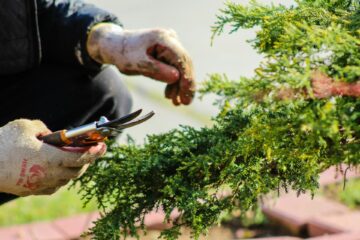
Pruning may seem intimidating, but it is an essential task that keeps plants healthy and attractive.
Remove dead, damaged, or diseased growth whenever you spot it. This helps improve airflow and encourages healthy new growth. Many flowering shrubs also benefit from pruning at specific times of the year to maintain their shape and boost flowering performance.
For beginners, start with simple maintenance pruning rather than major reshaping projects. Sharp, clean tools will make the task easier and help prevent the spread of disease.
4. Feeding Plants Correctly
Plants need nutrients to grow, flower, and produce crops. Over time, soil nutrients can become depleted, especially in containers.
Adding organic matter such as compost or well-rotted manure improves soil structure and provides a steady supply of nutrients. During the growing season, flowering plants, vegetables, and container displays often benefit from additional feeding with a suitable fertiliser.
Always follow the instructions on fertiliser packaging. More is not always better, and excessive feeding can sometimes damage plants rather than help them.
5. Mulching Garden Beds
Mulching is one of the easiest ways to improve your garden with minimal effort.
A layer of organic mulch, such as compost, bark chips, or leaf mould, helps retain moisture, suppress weeds, and improve soil quality as it breaks down. It also gives borders a neat, professional appearance.
Apply mulch around established plants, leaving a small gap around stems and trunks to prevent rot. Replenishing mulch annually can make a significant difference to plant health and reduce ongoing maintenance.
6. Monitoring for Pests and Diseases
Every gardener will encounter pests and diseases at some point. The key is catching problems early before they become severe.
Make a habit of checking plants regularly. Look for signs such as holes in leaves, discolouration, sticky residue, or unusual growth. Early detection often allows you to remove affected foliage or address the issue before it spreads.
Encouraging beneficial wildlife, such as birds, frogs, and pollinating insects, can help create a balanced garden ecosystem that naturally keeps many pest populations under control.
7. Preparing Soil Before Planting
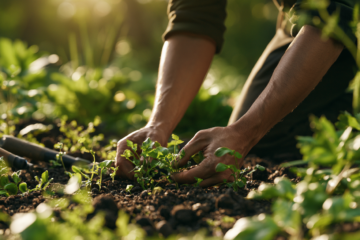
Healthy plants start with healthy soil. Before planting anything, take time to prepare the growing area properly.
Remove weeds, loosen compacted soil, and incorporate organic matter such as garden compost. Good soil preparation improves drainage, boosts fertility, and creates the ideal environment for roots to establish quickly.
Understanding your soil type is also beneficial. Sandy soils drain quickly and may need more organic matter, while clay soils often benefit from improved structure and drainage. Investing time in soil preparation pays dividends throughout the gardening season.
Final Thoughts
Mastering these seven simple garden tasks will provide a strong foundation for gardening success. Proper watering, regular weeding, basic pruning, feeding, mulching, pest monitoring, and soil preparation are skills that every new gardener should learn. By practising these fundamentals consistently, you will develop healthier plants, enjoy better results, and gain the confidence to tackle more advanced gardening projects in the future. Whether you are growing flowers, vegetables, or ornamental shrubs, these beginner gardening tips will help you create a thriving outdoor space you can enjoy all year round.
Keep Track of Your Progress with a Garden Journal
As you develop your gardening skills, keeping a garden journal can be one of the most valuable habits you adopt. Recording what you plant, when you sow seeds, pruning schedules, feeding routines, pest problems, and seasonal successes helps you learn from experience and improve your results year after year.
A garden journal also makes it easier to track which plants perform well in your garden, remember important maintenance tasks, and plan future projects. Even experienced gardeners rely on written records to make informed decisions and get the most from their outdoor spaces.
If you’re looking for an easy way to organise your gardening notes, register for the free digital journal from Gardens and Gardening. It provides a convenient place to record your gardening activities, observations, and plans throughout the year.
Register for the free Gardens and Gardening Digital Journal
By combining the gardening fundamentals covered in this guide with regular garden journalling, you’ll be better equipped to build knowledge, improve your gardening success, and create a beautiful, thriving garden season after season.