Moss is a common problem in many UK gardens, particularly in areas that experience damp weather, heavy shade, or poor soil conditions. While moss can create a lush green appearance, most homeowners prefer a healthy, thick lawn dominated by grass. The good news is that you do not need harsh chemicals to tackle the issue. By understanding why moss appears and addressing the underlying causes, you can naturally control moss and encourage stronger grass growth.
Why Does Moss Grow in Lawns?
Moss thrives in conditions where grass struggles. Common causes include poor drainage, compacted soil, excessive shade, low soil fertility, and mowing the lawn too short. Moss does not usually kill grass directly, but it can quickly colonise bare patches and weak areas, making your lawn appear thin and unhealthy.
Rather than simply removing moss, it is important to improve growing conditions for the grass. This long-term approach delivers more sustainable results and reduces the likelihood of moss returning.
Improve Drainage
Poor drainage is one of the biggest contributors to moss growth. Waterlogged soil deprives grass roots of oxygen, creating ideal conditions for moss.
If your lawn regularly remains wet after rainfall, consider aerating the soil. Using a garden fork or lawn aerator to create small holes allows air, water, and nutrients to penetrate the ground more effectively. This simple task can significantly improve soil structure over time.
For heavily compacted lawns, top dressing with a mixture of sand, loam, and compost can further improve drainage and encourage stronger root development.
Aerate Compacted Soil
Compacted soil prevents healthy root growth and makes it difficult for grass to compete with moss.
Aeration should be carried out at least once a year, ideally during spring or autumn. Push a garden fork into the soil every 10 to 15 centimetres and gently rock it back and forth to create air channels. This process reduces compaction and improves overall lawn health.
Healthier roots produce stronger grass, naturally crowding out unwanted moss.
Let More Light Reach the Lawn
Moss flourishes in shady areas where grass struggles to receive enough sunlight.
If trees or shrubs are casting excessive shade over your lawn, selective pruning can help increase light levels and improve airflow. Even a modest increase in sunlight can make a significant difference to grass growth.
For areas that remain shaded throughout the day, consider overseeding with shade-tolerant grass varieties. These blends are specifically formulated to perform better in lower-light conditions.
Feed the Lawn Naturally
A healthy lawn requires adequate nutrients to maintain vigorous growth. Weak, nutrient-deficient grass leaves space for moss to establish.
Apply a layer of well-rotted compost or organic lawn feed during the growing season. Organic materials gradually release nutrients while improving soil structure and supporting beneficial soil organisms.
Regular feeding encourages a thicker, greener lawn that naturally resists moss invasion.
Mow at the Correct Height
Cutting grass too short is a common mistake that weakens the lawn and encourages moss growth.
Most lawns benefit from being maintained at a height of around 25 to 40 millimetres during the main growing season. Slightly longer grass develops stronger roots, shades the soil surface, and outcompetes moss and weeds more effectively.
During periods of drought or in shady areas, raising the mowing height slightly can further improve lawn resilience.
Scarify to Remove Existing Moss
Once growing conditions have improved, existing moss can be removed through scarification.
Scarifying involves raking the lawn vigorously with a spring-tined rake or using a scarifier to remove moss, thatch, and dead grass. This creates space for healthy grass to spread and allows better air circulation around the soil surface.
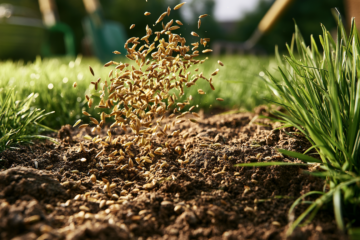
After scarifying, overseed any bare patches to encourage rapid grass establishment.
Overseed Thin Areas
A thick lawn is one of the best natural defences against moss.
After aerating and scarifying, spread quality grass seed over sparse areas. Keep the soil moist until the new grass establishes. Regular overseeding helps maintain dense turf that leaves little room for moss to gain a foothold.
With patience and consistent care, grass will gradually dominate areas previously occupied by moss.
Final Thoughts
The most effective natural way to control moss in your lawn is to focus on improving conditions for grass growth. Better drainage, regular aeration, appropriate mowing practices, natural feeding, increased sunlight, and overseeding all work together to create a stronger, healthier lawn. While moss removal provides immediate visual benefits, addressing the underlying causes will deliver lasting results and a greener lawn throughout the year.
Keep Track of Your Lawn Care with a Garden Journal
If you are working to improve your lawn, keeping a garden journal can be extremely valuable. Recording activities such as aeration dates, scarifying schedules, lawn feeding applications, overseeding results, and seasonal observations helps you understand what works best in your garden.
Over time, these records can help you identify recurring problems, monitor improvements, and plan lawn maintenance more effectively. Many experienced gardeners use journals to track progress and achieve consistently better results year after year.
To help organise your gardening records, you can register for the free Gardens and Gardening Digital Journal.
Register for the free Gardens and Gardening Digital Journal
By combining good lawn care practices with regular garden journalling, you will be well placed to maintain a healthier, greener lawn and enjoy a more successful garden overall.