Teaching children responsibility can sometimes be a challenge in today’s world of digital distractions and busy schedules. Fortunately, gardening offers a fun, hands-on way for kids to learn valuable life skills while enjoying time outdoors. From planting seeds to caring for growing plants, gardening projects help children understand commitment, patience, and accountability in a rewarding and engaging way.
Whether you’re a parent, teacher, or caregiver, introducing children to gardening can create meaningful learning experiences that extend far beyond the garden itself.
Why Gardening Teaches Responsibility
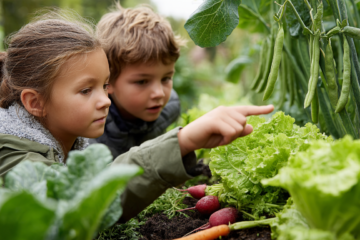
Gardening is one of the few activities where children can directly see the results of their actions. Plants rely on regular care, including watering, weeding, and monitoring for pests. When children take ownership of these tasks, they quickly learn that neglecting responsibilities can impact plant growth.
Unlike many chores that may feel repetitive, gardening provides visible rewards. Watching a seed develop into a flower, vegetable, or herb gives children a sense of accomplishment and pride in their efforts.
This connection between action and outcome makes gardening an excellent tool for teaching responsibility.
Start with a Simple Gardening Project
For young gardeners, it’s important to begin with manageable projects. Simple tasks help build confidence and encourage long-term interest.
Some beginner-friendly gardening projects include:
- Planting sunflower seeds
- Growing herbs in containers
- Creating a small vegetable patch
- Planting colourful flowers in pots
- Growing strawberries in hanging baskets
These projects are easy to maintain and produce noticeable results, helping children stay motivated and engaged.
Give Children Ownership
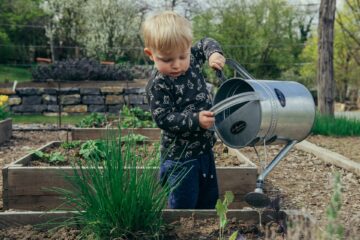
One of the most effective ways to teach responsibility through gardening is to give children their own space to manage.
This could be a small raised bed, a container garden, or even a few pots on a patio. Allowing children to make decisions about what they grow helps them feel personally invested in the project.
When children choose the plants, track growth, and care for them independently, they develop a stronger sense of accountability. The garden becomes their responsibility rather than simply another activity directed by an adult.
Create a Gardening Routine
Consistency is a key part of responsibility, and gardening naturally encourages regular habits.
Create a simple schedule for tasks such as:
- Watering plants
- Checking soil moisture
- Removing weeds
- Looking for pests
- Recording plant growth
Setting aside a few minutes each day helps children understand the importance of routine and commitment. Over time, these habits can transfer into other areas of their lives, including schoolwork and household responsibilities.
Teach Patience and Delayed Rewards
Modern life often provides instant gratification, but gardening teaches children that worthwhile achievements take time.
Seeds do not sprout overnight, and plants require ongoing care before they produce flowers or food. Children learn that success comes from consistent effort and patience.
This lesson is particularly valuable because it helps develop resilience. If a plant struggles or fails to grow, children can learn from the experience, adjust their approach, and try again.
Encourage Problem-Solving Skills
Gardens present many opportunities for learning and problem-solving.
Children might notice that a plant appears unhealthy, that leaves are being eaten by insects, or that flowers need more water during hot weather. Guiding them through these challenges helps develop critical thinking skills.
Rather than solving every problem for them, encourage children to ask questions and explore solutions. This process helps build confidence and reinforces the idea that responsibility includes finding ways to overcome obstacles.
Celebrate Successes
Recognising accomplishments can help children stay motivated and enthusiastic about gardening.
Celebrate milestones such as:
- The first seedling emerging
- The first flower blooming
- Harvesting vegetables
- Completing a full month of plant care
Positive reinforcement helps children connect responsibility with achievement. Even small successes can boost confidence and encourage continued participation.
Make Gardening Fun
Responsibility doesn’t have to feel like work. Creative projects can make gardening even more appealing to young learners.
Consider activities such as painting plant pots, creating garden markers, building a bug hotel, or keeping a gardening journal with drawings and photos. These additions make the experience more enjoyable while reinforcing a sense of ownership.
The more fun children have in the garden, the more likely they are to remain committed to caring for their plants.
Final Thoughts
Gardening is much more than planting seeds and growing flowers. It offers children valuable lessons in responsibility, patience, problem-solving, and perseverance. By giving kids ownership of simple gardening projects and encouraging regular care routines, parents and educators can help nurture skills that will benefit them throughout their lives.
Whether it’s a single pot on a windowsill or a dedicated garden bed, every gardening project provides an opportunity for children to learn that responsibility, effort, and patience can lead to something truly rewarding. 🌱🌻🥕