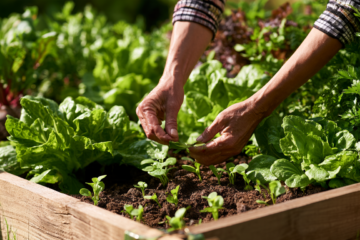
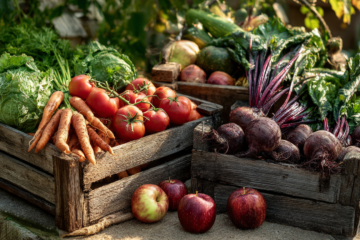
Raised beds have become one of the most popular ways to grow fruit and vegetables, and for good reason. They offer excellent drainage, improved soil quality, better pest control, and easier access for planting, weeding, and harvesting. Whether you’re working with a small urban garden or a larger growing space, raised beds can help you achieve healthier plants and bigger harvests.
If you’re wondering what to grow, here are ten fruit and vegetable crops that perform exceptionally well in raised beds.
1. Strawberries
Strawberries are one of the best fruit crops for raised beds. The improved drainage helps prevent root rot, while the elevated growing area keeps fruit cleaner and reduces slug damage.
Choose everbearing varieties for a longer harvest season or June-bearing varieties for a large crop all at once. Plant strawberries in rich, well-drained soil and remove runners if you want larger fruit production.
2. Tomatoes
Tomatoes thrive in the warm, fertile soil that raised beds provide. The increased soil temperature helps plants establish quickly in spring, while good drainage reduces the risk of common soil-related diseases.
Install supports such as cages or stakes at planting time and feed regularly throughout the growing season. Cherry, plum, and beefsteak varieties all perform well in raised bed systems.
3. Carrots
Raised beds are ideal for growing carrots because they allow you to create deep, stone-free soil. This encourages long, straight roots and prevents the forking that often occurs in compacted ground.
Choose shorter varieties for shallower beds and ensure the soil is loose and free from large clumps. Regular watering will help maintain tender, sweet roots.
4. Lettuce
Lettuce is a perfect crop for raised beds, especially for gardeners who like a continuous supply of fresh salad leaves. Raised beds make succession planting easy, allowing you to sow small batches every few weeks.
The improved drainage helps prevent rotting, while the controlled growing environment produces crisp, healthy leaves. Mixed leaf varieties are particularly productive and easy to grow.
5. Courgettes
Courgettes can be incredibly productive when grown in raised beds. The nutrient-rich soil encourages strong growth and abundant fruit production throughout the summer.
Although each plant requires plenty of space, just two or three plants can provide a steady supply of courgettes for months. Regular harvesting encourages even more fruit to develop.
6. Peppers
Sweet peppers and chilli peppers love the warm conditions that raised beds create. The soil warms faster in spring, helping plants establish quickly and produce larger harvests.
Grow peppers in a sunny position and keep the soil consistently moist. Adding compost before planting will provide the nutrients needed for healthy fruit development.
7. Onions
Onions are easy to grow in raised beds and benefit from the loose, fertile soil structure. Whether grown from sets or seed, they establish quickly and generally experience fewer issues with waterlogging.
Spacing plants correctly allows bulbs to develop fully. Raised beds also make it easier to keep the growing area weed-free, which is important for good onion production.
8. Beetroot
Beetroot is a versatile crop that performs exceptionally well in raised beds. The roots develop evenly in loose soil, while the attractive foliage adds visual appeal to the garden.
You can harvest young leaves for salads and allow the roots to mature for roasting, pickling, or storing. Successive sowings provide a continuous harvest throughout the growing season.
9. Bush Beans
Bush beans are productive, compact plants that fit perfectly into raised bed layouts. They require little support compared to climbing varieties and can produce generous harvests in relatively small spaces.
The improved soil conditions help seeds germinate quickly, and regular picking will encourage continued production throughout summer.
10. Raspberries
Although often overlooked, raspberries can thrive in larger raised beds. The controlled soil conditions make it easier to manage fertility and drainage, both of which are essential for healthy canes.
Choose autumn-fruiting varieties if you want a simpler pruning routine and a reliable harvest. Mulching annually will help retain moisture and support strong growth.
Tips for Success with Raised Bed Gardening
To get the most from your raised beds, fill them with a high-quality mixture of topsoil and organic compost. Rotate crops each year where possible to reduce disease problems and maintain soil health. Adding mulch around plants helps conserve moisture, suppress weeds, and improve soil structure over time.
Regular watering is particularly important because raised beds tend to drain more quickly than traditional garden plots. Installing a drip irrigation system can make watering more efficient and consistent.
Conclusion
Raised beds provide an excellent environment for growing a wide range of fruits and vegetables. From juicy strawberries and flavour-packed tomatoes to productive courgettes and crisp lettuce, these crops take full advantage of the improved soil conditions and drainage that raised beds offer. By selecting the right plants and maintaining healthy soil, you can enjoy abundant harvests and a more productive kitchen garden year after year.