A garden pond can be one of the most attractive features in any outdoor space, providing a habitat for wildlife while creating a peaceful focal point. However, keeping pond water clean and healthy requires regular care and attention. The good news is that you can maintain excellent water quality naturally, without relying heavily on chemicals. By understanding the balance between plants, water, and beneficial organisms, you can enjoy a clear and thriving pond throughout the year.
Why Natural Pond Maintenance Matters
Healthy pond water supports fish, aquatic plants, frogs, insects, and other wildlife. When a pond becomes unbalanced, problems such as green water, algae blooms, unpleasant odours, and poor water quality can quickly develop. Natural maintenance methods help establish a balanced ecosystem where beneficial bacteria, aquatic plants, and wildlife work together to keep the water clear and healthy.
Using natural techniques is also better for the environment, reducing the need for chemical treatments that may affect beneficial pond life.
Choose the Right Pond Plants
Aquatic plants are the backbone of a healthy pond ecosystem. They absorb excess nutrients that would otherwise feed algae growth. A well-planted pond should include a variety of plant types.
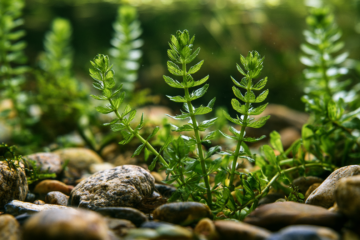
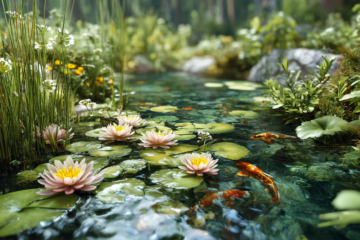
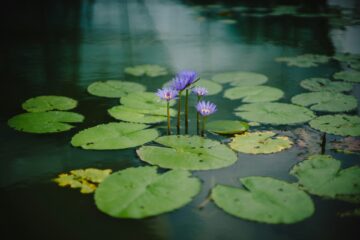
Oxygenating plants, such as hornwort and water violet, help maintain oxygen levels while competing with algae for nutrients. Floating plants, including water lilies and frogbit, provide shade that reduces sunlight penetration, limiting algae growth. Marginal plants, such as marsh marigold and iris, further help filter nutrients from the water.
Aim to cover approximately 50 to 70 percent of the pond surface with plants during the growing season. This helps create a natural balance and improves water clarity.
Prevent Excess Nutrients
Excess nutrients, particularly nitrogen and phosphorus, are a major cause of algae problems. These nutrients often enter ponds through decaying leaves, fish waste, lawn fertilisers, and surface runoff.
To minimise nutrient build-up:
- Remove fallen leaves regularly.
- Avoid overfeeding fish.
- Keep fertilisers away from the pond edge.
- Trim dead plant material before it decomposes in the water.
A pond that receives fewer excess nutrients is less likely to experience algae blooms and water quality issues.
Maintain Healthy Water Levels
Water levels naturally fluctuate through evaporation, especially during warm summer weather. Regularly topping up your pond helps maintain stable conditions for fish and plants.
When watering nearby garden plants, be mindful not to allow soil or fertiliser-rich water to wash into the pond. Rainwater is often the best option for topping up ponds naturally, as it contains fewer minerals than treated tap water.
Monitoring water levels also helps protect pumps and filtration systems from damage caused by low water conditions.
Encourage Beneficial Bacteria
Beneficial bacteria play a vital role in breaking down organic waste, including fish waste, uneaten food, and decaying plant matter. These naturally occurring microorganisms help prevent harmful nutrient accumulation and improve water clarity.
Creating suitable conditions for beneficial bacteria is simple. Ensure good water circulation, avoid excessive cleaning that removes established bacterial colonies, and maintain a healthy balance of plants within the pond.
A mature pond ecosystem often develops a strong beneficial bacterial population that naturally supports excellent water quality.
Control Algae Naturally
Algae are a normal part of pond life, but excessive growth can quickly become a problem. Instead of relying on chemical treatments, focus on addressing the causes of algae growth.
Provide adequate shade with floating plants, remove nutrient-rich debris, and ensure sufficient oxygenation. Barley straw products are also used by many pond owners as a natural method to discourage algae growth while maintaining a wildlife-friendly environment.
Regular maintenance combined with healthy planting is often enough to keep algae under control.
Keep the Pond Clean Throughout the Year
Seasonal maintenance is essential for long-term pond health. In spring, remove debris and divide overgrown plants. During summer, monitor water levels and remove excess algae. Autumn is the ideal time to net ponds to prevent falling leaves from accumulating. In winter, avoid disturbing wildlife and ensure gas exchange can continue if the pond freezes.
Small, regular maintenance tasks are far more effective than occasional major clean-ups. Consistent care prevents problems from developing and helps maintain a stable ecosystem.
Final Thoughts
Maintaining clean and healthy pond water naturally is all about creating balance. By choosing the right aquatic plants, reducing nutrient build-up, encouraging beneficial bacteria, and carrying out regular seasonal maintenance, you can enjoy crystal-clear water while supporting local wildlife. A well-balanced pond not only looks beautiful but also becomes a thriving ecosystem that requires fewer interventions over time, making it a rewarding addition to any garden.