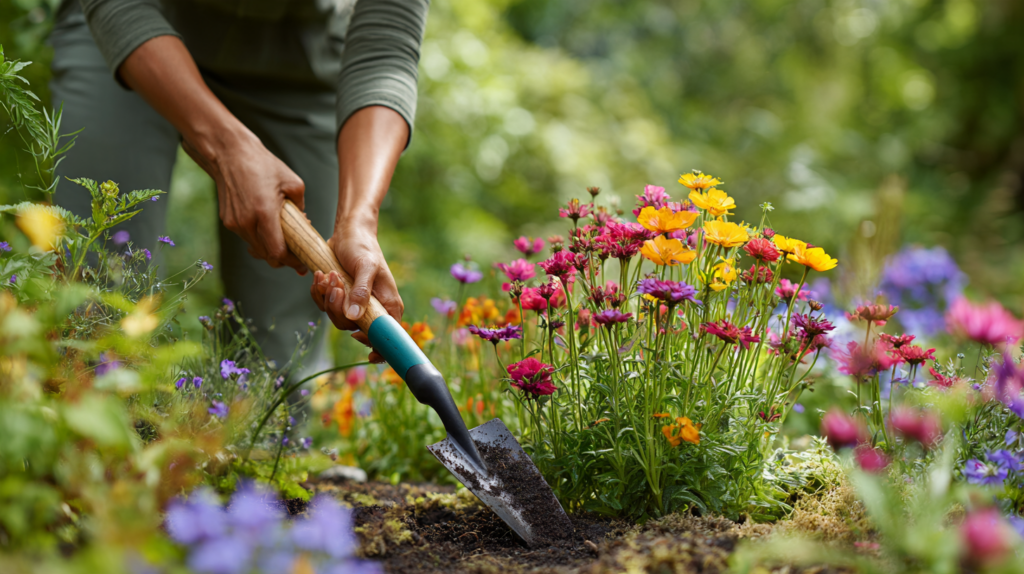
Gardening is one of the most rewarding hobbies, but repetitive movements, bending, kneeling, and lifting can take a toll on the body. Whether you’re maintaining a small garden border or managing a large vegetable plot, using ergonomic gardening tools can significantly reduce strain and fatigue. Designed to improve comfort and efficiency, these tools help gardeners work longer with less discomfort while protecting joints, muscles, and the back.
What Are Ergonomic Gardening Tools?
Ergonomic gardening tools are specifically designed to fit the natural movement of the body. They often feature cushioned grips, lightweight materials, angled handles, and innovative designs that minimise stress on the hands, wrists, shoulders, and lower back.
These tools are especially beneficial for older gardeners, people with arthritis, and anyone looking to reduce the physical demands of gardening. By improving posture and reducing repetitive strain, ergonomic equipment can make gardening more enjoyable and accessible.
Ergonomic Hand Trowels and Weeders
A traditional trowel can cause wrist strain when used for extended periods. Ergonomic hand trowels feature curved or angled handles that keep the wrist in a more natural position while digging and planting.
Look for features such as:
- Soft-grip handles
- Lightweight aluminium construction
- Non-slip materials
- Contoured designs for better control
Similarly, ergonomic weeders often include pistol-grip or leverage-based designs that allow weeds to be removed with less force. This reduces stress on fingers and wrists, particularly when tackling stubborn roots.
Long-Handled Gardening Tools
One of the most effective ways to reduce gardening fatigue is to avoid excessive bending. Long-handled tools allow you to work comfortably while standing upright.
Useful options include:
- Long-handled weed removers
- Border forks
- Cultivators
- Hoes
- Bulb planters
These tools are particularly valuable for gardeners who suffer from lower back pain. By maintaining a more natural posture, long-handled equipment reduces pressure on the spine and helps prevent aches after a day in the garden.
Ratchet Pruners and Secateurs
Pruning can be surprisingly hard on the hands, especially when cutting thicker stems and branches. Ratchet secateurs use a mechanism that cuts in stages, requiring less force than traditional pruners.
Benefits include:
- Reduced hand fatigue
- Less stress on finger joints
- Improved cutting power
- Greater comfort for gardeners with arthritis
Anvil-style ratchet pruners are especially useful for pruning dead wood, while bypass ratchet secateurs work well for live stems and delicate plants.
Ergonomic Garden Forks and Spades
Digging is one of the most physically demanding gardening tasks. Modern ergonomic spades and forks often feature specially shaped handles, such as YD grips, D grips, or loop handles that provide greater leverage and control.
Some models feature:
- Lightweight fibreglass shafts
- Stainless steel heads
- Angled shafts that reduce wrist stress
- Extra-wide footrests for comfortable digging
These design improvements reduce muscle fatigue and make soil preparation, edging, and planting much easier.
Comfortable Kneelers and Garden Seats
Kneeling for extended periods can cause discomfort in the knees and lower back. Garden kneelers provide padded support and often convert into portable seats.
The advantages include:
- Reduced pressure on knees
- Easier standing and sitting
- Greater stability when working at ground level
- Improved comfort during planting and weeding
Many gardeners consider a folding kneeler with support handles one of the best gardening accessories for reducing strain and improving mobility around the garden.
Ergonomic Watering Equipment
Watering the garden can become tiring when dragging heavy hoses or lifting watering cans. Consider ergonomic alternatives such as:
- Expandable garden hoses
- Lightweight watering cans with balanced handles
- Hose reels with easy-wind mechanisms
- Watering wands with trigger locks
These tools reduce arm fatigue and make watering more efficient, particularly in larger gardens.
Choosing the Right Ergonomic Gardening Tools
When selecting ergonomic gardening tools, focus on comfort, ease of use, and build quality. Test the grip size and weight whenever possible to ensure the tool feels comfortable in your hand. Tools made from lightweight aluminium, fibreglass, or reinforced composites often provide the best balance between durability and ease of handling.
It’s also worth investing in quality rather than opting for the cheapest option. Well-designed ergonomic tools are built to reduce long-term strain and can make a noticeable difference to your gardening experience.
Conclusion
Using ergonomic gardening tools is one of the simplest ways to make gardening more comfortable and enjoyable. From long-handled weeders and ratchet secateurs to supportive kneelers and lightweight spades, the right equipment can dramatically reduce strain and fatigue. By choosing tools that support natural movements and better posture, gardeners can protect their bodies while continuing to enjoy their favourite outdoor hobby for years to come.