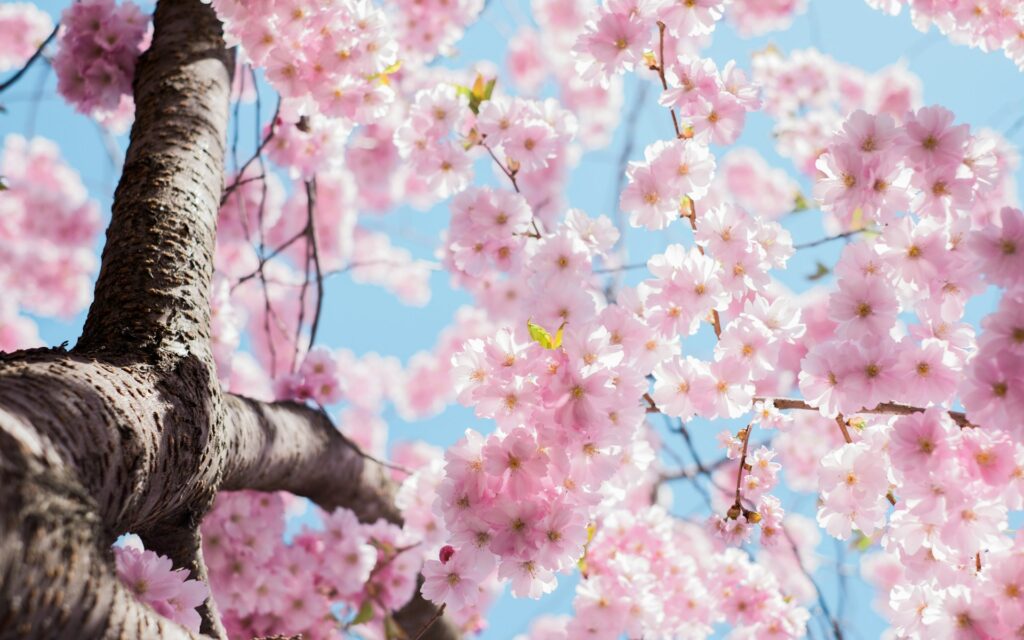
A well-chosen tree can transform a garden throughout every season, providing colour, structure, wildlife benefits, and visual appeal from January to December. When selecting UK trees for your garden, it is important to look beyond spring blossom and consider how a tree will contribute during all four seasons. By choosing species with attractive bark, colourful foliage, seasonal flowers, berries, and striking winter silhouettes, you can create a garden that remains interesting all year round.
Why Choose Trees for All-Season Appeal?
Many gardeners focus on trees that offer one spectacular display, such as spring flowers or autumn colour. However, a tree that provides multiple seasonal features delivers greater value and helps maintain interest in the garden throughout the year. Trees with year-round appeal can also support birds, pollinators, and other wildlife, making them an excellent investment for any outdoor space.
When selecting a tree, consider its mature size, soil conditions, sunlight requirements, and available space. The best UK trees for year-round interest combine several attractive characteristics without becoming too large for the average garden.
Spring Interest: Blossoms and Fresh Growth
Spring is often the most celebrated season for ornamental trees. Blossoming varieties bring colour and fragrance just as gardens begin to awaken after winter.
Flowering cherries (Prunus species) are among the most popular choices. Varieties such as ‘Kanzan’ and ‘Accolade’ produce clouds of pink blossom that create a stunning focal point. Crab apples (Malus) are equally impressive, offering colourful spring flowers that attract bees and other pollinators.
Amelanchier, often called Juneberry or Serviceberry, is another excellent choice. Its delicate white flowers appear early in the season and are followed by attractive foliage and berries later in the year, making it a true multi-season performer.
Summer Interest: Shade and Structure
During the summer months, trees provide valuable shade and create structure within the garden. Trees with attractive foliage can become standout features during this period.
Japanese maples (Acer palmatum) are prized for their elegant leaf shapes and rich colours. Although often associated with autumn, many cultivars display vibrant foliage throughout summer.
Silver birch (Betula pendula) offers light, airy foliage that moves beautifully in the breeze. Its graceful form adds texture to borders and lawns while allowing enough light to reach plants growing underneath.
For larger gardens, rowan (Sorbus aucuparia) provides attractive green foliage and clusters of berries that begin forming during late summer.
Autumn Interest: Spectacular Colour
Autumn is perhaps the most dramatic season for many trees. As temperatures cool, leaves turn brilliant shades of red, orange, yellow, and gold.
Japanese maples often produce some of the most intense autumn colours available. Liquidambar styraciflua, commonly known as the sweet gum tree, delivers outstanding displays of crimson, orange, and purple foliage.
Rowan trees also shine during autumn, with bright berry clusters providing food for birds while foliage turns warm shades of yellow and red. Amelanchier offers another spectacular autumn performance, often producing fiery orange and scarlet leaves.
Planting a combination of autumn-colour trees can extend the display for several weeks and create a stunning seasonal landscape.
Winter Interest: Bark, Shape, and Wildlife Value
A tree should not disappear from the garden once its leaves have fallen. Winter reveals a tree’s structure, bark, and silhouette, making these features particularly important.
Silver birch is a classic example, with its distinctive white bark standing out beautifully against darker winter backgrounds. The Himalayan birch (Betula utilis var. jacquemontii) is especially admired for its bright white stems.
Dogwoods are often grown for their colourful winter stems, but trees such as Tibetan cherry (Prunus serrula) offer exceptional glossy mahogany bark that catches winter sunlight.
Crab apples and hawthorns can retain colourful fruits well into winter, providing food for birds when natural resources become scarce. These berries also add attractive colour during the colder months.
Best Trees for Year-Round Interest in UK Gardens
If you are looking for trees that perform well throughout the year, consider:
- Amelanchier
- Silver Birch (Betula pendula)
- Crab Apple (Malus)
- Rowan (Sorbus aucuparia)
- Japanese Maple (Acer palmatum)
- Flowering Cherry (Prunus)
- Sweet Gum (Liquidambar styraciflua)
- Tibetan Cherry (Prunus serrula)
Each of these trees offers multiple seasonal features, making them excellent choices for gardens seeking year-round appeal.
Final Thoughts
Choosing trees for year-round interest allows you to enjoy your garden in every season rather than for just a few weeks each year. By selecting species that combine attractive flowers, foliage, fruit, bark, and structure, you can create a landscape that remains beautiful and engaging throughout the calendar year. Whether you have a compact urban garden or a larger rural space, there are plenty of UK trees capable of delivering colour, character, and wildlife value from spring right through to winter.