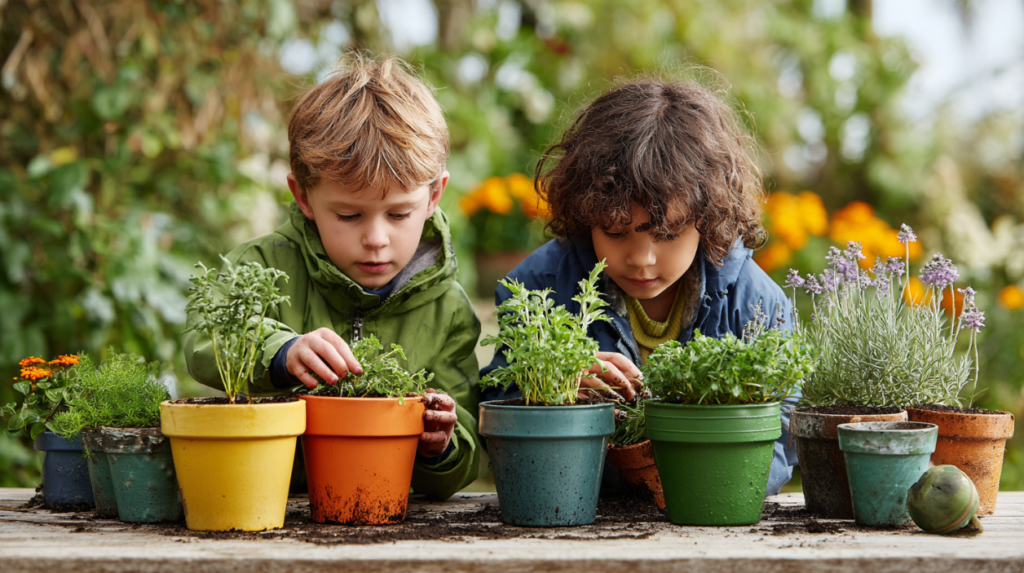
In an age where screens often compete for children’s attention, gardening offers a refreshing way to reconnect with nature while developing valuable life skills. Whether it’s planting sunflower seeds in a pot, growing vegetables in a raised bed, or creating a wildlife-friendly corner in the garden, gardening provides children with hands-on experiences that support their physical, emotional, and educational development.
For parents and carers looking for meaningful outdoor activities, gardening is one of the most rewarding hobbies children can enjoy. The benefits extend far beyond growing plants, helping youngsters build confidence, creativity, patience, and practical skills that can last a lifetime.
Gardening Teaches Valuable Life Skills
One of the biggest benefits of gardening for children is the opportunity to learn important life skills through experience. When children sow seeds, water plants, and care for growing crops, they begin to understand responsibility and commitment.
Plants require ongoing care, and children quickly learn that skipping watering or neglecting a plant can affect its growth. This helps develop a sense of accountability while teaching the value of consistency and effort.
Gardening also introduces problem-solving skills. Children learn to identify why a plant might not be thriving, recognise pests, adjust watering routines, and understand how weather conditions affect growth. These practical lessons encourage critical thinking in a fun and engaging environment.
Building Confidence Through Achievement
There is something magical about watching a seed grow into a flower or vegetable. For children, this transformation creates a strong sense of achievement.
Growing their own plants allows children to see the direct results of their hard work. Even simple successes, such as harvesting a radish or picking a homegrown strawberry, can provide a significant confidence boost.
Unlike some activities where results are immediate, gardening teaches children that worthwhile achievements take time. As plants develop over weeks or months, children gain a deeper appreciation for patience and perseverance.
The pride that comes from showing family members a flourishing flower bed or sharing homegrown vegetables can have a lasting positive impact on self-esteem.
Encouraging Creativity and Imagination
Gardening is a fantastic outlet for creativity. Beyond planting flowers and vegetables, children can design their own garden spaces and experiment with colours, shapes, and layouts.
Activities such as painting plant pots, creating fairy gardens, building insect hotels, or designing themed flower beds allow children to express themselves while engaging with nature.
Creative gardening projects encourage imagination and help children develop artistic thinking. A simple patch of soil can become a dinosaur garden, a butterfly paradise, or a sensory garden filled with colourful blooms and fragrant herbs.
Unlike structured activities with fixed outcomes, gardening gives children the freedom to explore ideas and create something unique.
Supporting Learning and Education
Gardening naturally supports many areas of learning. Children can develop an understanding of science by observing plant life cycles, pollination, insects, weather patterns, and ecosystems.
Mathematics skills can be strengthened through measuring plant growth, counting seeds, spacing crops, and calculating harvest yields. Reading and research skills also improve as children learn about different plants and how to care for them.
Many schools now incorporate gardening projects into their curriculum because of the educational opportunities they provide. Gardening transforms learning from something children simply read about into something they experience firsthand.
Promoting Physical Activity and Wellbeing
Gardening encourages children to spend more time outdoors and be physically active. Digging, planting, watering, weeding, and harvesting all involve movement that helps develop coordination and motor skills.
Outdoor activities also support mental wellbeing. Time spent in nature has been linked to reduced stress levels and improved mood. Gardening provides a calming environment where children can slow down, focus, and enjoy the natural world around them.
For children who may not enjoy traditional sports, gardening offers an alternative way to stay active while building a connection with nature.
Developing Environmental Awareness
Gardening helps children understand where food comes from and why protecting the environment matters. Through growing plants and attracting wildlife, they learn about biodiversity, pollinators, and sustainable gardening practices.
Simple projects such as planting wildflowers for bees, creating a bird-friendly garden, or growing vegetables organically can foster a lifelong appreciation for the natural world.
Children who garden are often more likely to develop environmentally responsible habits and a stronger understanding of how ecosystems work.
Conclusion
The benefits of gardening for children go far beyond growing flowers and vegetables. Gardening develops practical skills, builds confidence, encourages creativity, supports education, and promotes physical and mental wellbeing. It also helps children develop a deeper appreciation for nature and the environment.
Whether you have a large garden, a small patio, or just a few pots on a windowsill, introducing children to gardening can provide countless opportunities for learning and fun. By giving children the chance to grow their own plants, you are not just cultivating a garden, but helping them develop skills and experiences that will benefit them throughout their lives.