Adding native trees to your garden is one of the best ways to support local wildlife while creating a beautiful and natural outdoor space. Native trees have evolved alongside British birds, insects, mammals, and other wildlife, making them valuable sources of food, shelter, and nesting opportunities. Whether you have a large garden or a smaller plot, choosing the right native trees can transform your garden into a thriving wildlife haven.
Why Choose Native Trees?
Native trees are naturally adapted to local climates and soil conditions, making them generally easier to grow and maintain than many non-native species. They also provide the resources that native wildlife depends upon throughout the year. From pollen-rich spring flowers to autumn berries and winter shelter, native trees support biodiversity in every season.
Planting native trees can attract a wide range of wildlife, including pollinating insects, songbirds, hedgehogs, and even bats. The more diverse your garden habitat becomes, the healthier and more resilient your local ecosystem will be.
Silver Birch
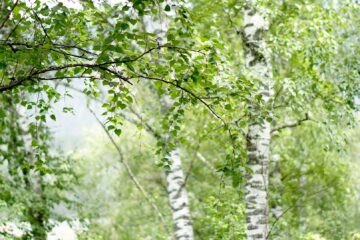
Silver birch is one of the most attractive native trees for wildlife-friendly gardens. Known for its distinctive white bark and graceful appearance, this fast-growing tree supports hundreds of insect species. The tiny seeds provide food for birds such as goldfinches and siskins, while its branches offer nesting opportunities.
Silver birch thrives in most soil types and can tolerate a range of conditions, making it a reliable choice for gardeners looking to encourage biodiversity.
Rowan
Often called the mountain ash, rowan is a fantastic native tree for attracting birds. Its clusters of white flowers appear in spring, followed by bright red-orange berries in autumn. These berries are particularly popular with blackbirds, thrushes, waxwings, and other garden birds.
Rowan trees are relatively compact, which makes them suitable for medium-sized gardens. They also add excellent seasonal interest with their attractive foliage and colourful fruit.
Hawthorn
Hawthorn is one of the most valuable trees for wildlife in the UK. Its dense, thorny branches provide safe nesting sites for birds, while its spring blossoms attract bees, butterflies, and other pollinators.
In autumn, hawthorn produces red berries known as haws. These fruits are an important food source for birds during colder months when other food supplies become scarce. Hawthorn can be grown as a small tree or incorporated into a wildlife hedge for even greater ecological benefits.
Crab Apple
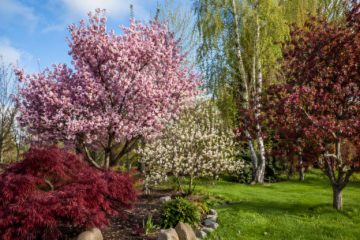
Crab apple trees are excellent for both gardeners and wildlife. Their beautiful spring blossom attracts pollinating insects, while the fruits produced later in the year provide food for birds and small mammals.
Many varieties also offer spectacular displays of colour during autumn. As a bonus, crab apples can be harvested for homemade jellies and preserves, making them a practical as well as wildlife-friendly addition to the garden.
Oak
If you have enough space, an oak tree is one of the best long-term investments for wildlife. Oaks support a huge number of insect species, which in turn provide food for birds and mammals. Acorns are a valuable food source for jays, squirrels, and other wildlife.
Although oak trees eventually become large, they offer unmatched ecological value. Even a young oak can start contributing to your garden’s biodiversity by supporting insects and providing shelter.
Hazel
Hazel is a versatile native tree that works particularly well in wildlife gardens. Its early catkins provide one of the first pollen sources for bees emerging after winter, while the nuts attract squirrels, dormice, and birds.
Hazel responds well to pruning and can be managed as a small tree or large shrub, making it suitable for various garden sizes. Its natural structure also provides excellent cover for wildlife throughout the year.
Creating a Wildlife-Friendly Tree Planting Scheme
When planting trees for wildlife, diversity is key. Combining several different native species will provide a wider variety of food and habitat opportunities. Consider selecting trees that offer benefits during different seasons. For example, hawthorn and crab apple provide spring blossom, rowan offers autumn berries, and hazel supplies early pollen.
Underplanting trees with native wildflowers, bulbs, or shade-loving plants can further enhance wildlife value. Leaving some fallen leaves and natural debris beneath trees can also create habitats for insects and small animals.
Conclusion
Native trees are among the most effective ways to increase biodiversity in your garden. Species such as silver birch, rowan, hawthorn, crab apple, oak, and hazel provide food, shelter, and nesting opportunities for countless forms of wildlife. By choosing native trees and creating a diverse planting scheme, you can enjoy a beautiful garden while making a meaningful contribution to local nature. Over time, your garden can become a thriving sanctuary where birds, pollinators, and other wildlife flourish alongside your plants.