A well-chosen decorative tree can transform a garden, providing year-round structure, beautiful seasonal interest, and an attractive focal point. Whether you have a large landscape or a compact urban garden, ornamental trees offer a combination of form, colour, texture, and wildlife value that enhances outdoor spaces throughout the year. By selecting trees that perform across multiple seasons, gardeners can enjoy ever-changing displays without sacrificing structure and balance.
Why Decorative Trees Matter in Garden Design
Trees are often considered the backbone of a garden. They create height, define spaces, and introduce a sense of permanence that flowers and shrubs alone cannot achieve. Decorative trees are particularly valuable because they combine strong architectural form with seasonal colour, ensuring the garden remains visually appealing in every season.
Many ornamental trees also provide practical benefits, such as shade during summer, shelter for wildlife, and improved privacy. Their changing foliage, flowers, berries, and bark create visual interest from spring through winter, making them one of the most versatile features in any landscape.
Japanese Maple: Elegant Colour Throughout the Year
Japanese Maple (Acer palmatum) is one of the most popular decorative trees for good reason. Its delicate foliage emerges in vibrant shades of red, purple, bronze, or green in spring, depending on the variety. Throughout summer, the finely cut leaves add texture and elegance, while autumn brings spectacular displays of scarlet, orange, and gold.
Compact varieties are ideal for smaller gardens, patios, and even large containers. The graceful branching structure also looks attractive during winter after the leaves have fallen, maintaining visual interest year-round.
Flowering Cherry: Spring’s Show-Stopping Performer
Few trees can rival the breathtaking beauty of flowering cherry trees (Prunus species) in spring. Their masses of pink or white blossoms create a stunning display that signals the arrival of warmer weather.
Beyond the flowers, many cherry trees develop attractive foliage and colourful autumn leaves. Their smooth bark and elegant shape continue to provide structure during winter, making them a valuable addition to gardens seeking multi-season appeal.
Popular varieties such as Prunus ‘Kanzan’ and Prunus ‘Accolade’ are particularly prized for their abundant blooms and ornamental character.
Amelanchier: Four Seasons of Interest
Amelanchier, often called Juneberry or Serviceberry, is one of the most versatile ornamental trees available. In spring, clouds of white flowers cover the branches before the leaves fully emerge. Summer brings edible berries that are enjoyed by birds and wildlife.
As the seasons progress, the foliage develops rich shades of orange, red, and gold in autumn. During winter, the tree’s attractive branching framework and silvery bark maintain structure within the garden.
Its relatively compact size makes Amelanchier suitable for both small and medium-sized landscapes.
Crab Apple: Colour, Flowers, and Wildlife Value
Crab apple trees (Malus varieties) provide exceptional ornamental value throughout the year. Spring brings abundant blossom in shades of pink, white, or red, attracting pollinators such as bees and butterflies.
The tree then develops colourful fruits that often persist into winter, creating visual interest long after the leaves have fallen. Many varieties also produce excellent autumn foliage colours, ranging from yellow to deep crimson.
Crab apples are particularly useful for gardeners who want a decorative tree that supports local wildlife while delivering outstanding seasonal displays.
Silver Birch: Year-Round Architectural Beauty
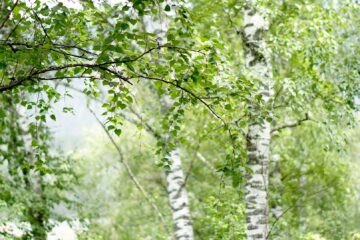
For gardeners seeking strong structure, Silver Birch (Betula pendula) is an excellent choice. Its elegant, airy canopy allows light to filter through while creating height and movement within the landscape.
The distinctive white bark becomes increasingly attractive as the tree matures and serves as a striking feature throughout winter. In autumn, the leaves turn golden yellow before falling, adding another layer of seasonal colour.
Silver Birch works particularly well in contemporary and naturalistic garden designs due to its graceful appearance and architectural qualities.
Choosing the Right Tree for Your Garden
Before planting a decorative tree, consider its mature height and spread, soil conditions, and available sunlight. While many ornamental trees remain relatively compact, some varieties require more space to reach their full potential.
Think beyond a single season of interest and select trees that offer multiple features, such as spring flowers, autumn colour, decorative bark, or winter berries. This approach ensures the garden remains attractive throughout the year rather than peaking for only a few weeks.
Conclusion
Decorative trees are among the most valuable investments a gardener can make. By combining structural beauty with seasonal colour, they provide continuous interest and help create a balanced, visually engaging landscape. Whether you choose the fiery foliage of a Japanese Maple, the spring blossoms of a flowering cherry, the four-season appeal of Amelanchier, the wildlife-friendly crab apple, or the architectural elegance of Silver Birch, the right tree can elevate your garden and deliver enjoyment for many years to come.