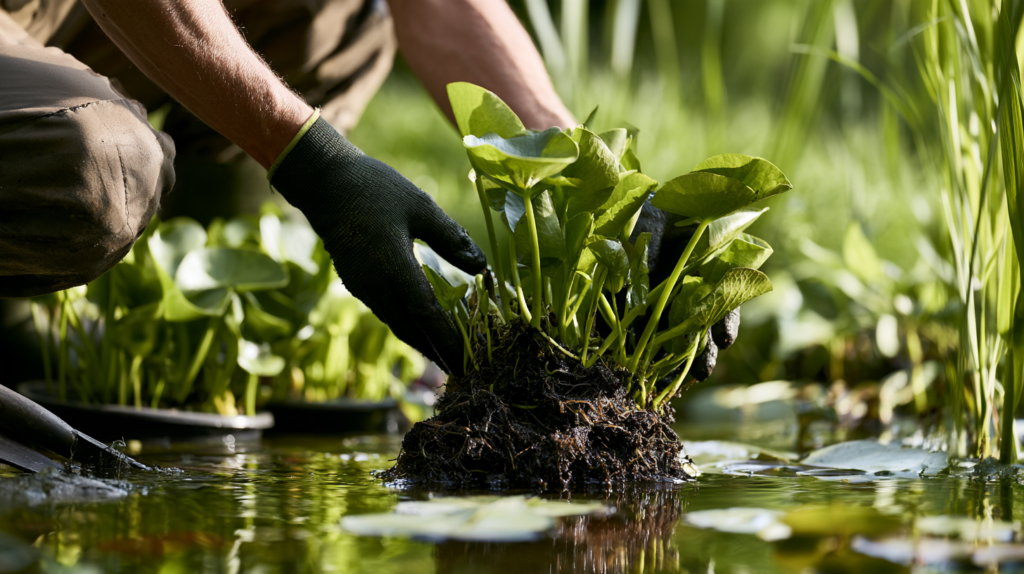
A well-planted garden pond can be one of the most attractive features in any outdoor space. Pond plants not only add colour and texture, but they also help maintain water quality, provide shelter for pond loving wildlife, and reduce algae growth. However, different seasons bring different challenges, and knowing how to care for pond plants throughout the year is essential for keeping your pond healthy and beautiful. This seasonal pond plant care guide explains exactly what to do in spring, summer, autumn, and winter.
Spring: Encouraging New Growth
Spring is one of the busiest times for pond maintenance. As temperatures rise, pond plants begin to emerge from winter dormancy and start producing fresh growth.
Begin by inspecting all aquatic plants for signs of winter damage. Remove any dead, yellowing, or decaying foliage from water lilies, marginal plants, and oxygenating plants. This prevents rotting plant matter from affecting water quality.
Spring is also the ideal time to divide and repot overgrown pond plants. Water lilies, iris, marsh marigolds, and other vigorous species can quickly outgrow their containers. Carefully divide crowded plants and replant them in aquatic compost using suitable pond baskets.
Apply aquatic plant fertiliser tablets to water lilies and other heavy feeders as growth resumes. This helps support healthy leaves and encourages strong flowering later in the season.
If you want to introduce new pond plants, spring offers excellent growing conditions. Popular choices include:
- Water lilies (Nymphaea)
- Hornwort (Ceratophyllum demersum)
- Water forget-me-not (Myosotis scorpioides)
- Pickerel weed (Pontederia cordata)
- Marsh marigold (Caltha palustris)
Aim to establish a balanced mix of floating, submerged, and marginal plants to promote a healthy pond ecosystem.
Summer: Maintaining Healthy Growth
Summer is when pond plants are at their most vibrant. Water lilies bloom, marginal plants reach their peak, and wildlife activity increases.
Regular maintenance is important during this period. Remove fading flowers and damaged leaves to keep plants looking attractive and to prevent organic debris from accumulating in the water.
Keep an eye on water lilies, as their large leaves can rapidly spread across the pond surface. Ideally, around 50% to 70% of the water surface should remain shaded by plants, helping to suppress algae while still allowing adequate light and oxygen exchange.
Monitor fast-growing oxygenating plants such as hornwort and water starwort. These can quickly dominate smaller ponds during warm weather. Trim excess growth and compost any healthy plant material.
Hot weather may cause water levels to drop due to evaporation. Top up ponds with rainwater whenever possible, as tap water can introduce additional nutrients that encourage algae growth.
Watch for common summer problems such as:
- Blanket weed
- Green water algae
- Aphids on marginal plants
- Nutrient imbalances
Removing excess vegetation and maintaining a healthy plant balance can often prevent these issues from becoming severe.
Autumn: Preparing for Dormancy
Autumn is the season for tidying and preparation. As temperatures cool, pond plants begin slowing their growth and entering dormancy.
Remove dying leaves and stems before they fall into the water. Decomposing plant material releases nutrients that can fuel algae growth the following spring.
Cut back marginal plants such as rushes, reeds, and iris to a few inches above the waterline. This helps keep the pond tidy and reduces the amount of organic matter entering the water over winter.
Tropical or frost-sensitive aquatic plants should be moved indoors or into a greenhouse before the first frost arrives. Hardy pond plants generally remain outside but may benefit from some maintenance trimming.
Install a pond net over the surface if there are nearby deciduous trees. Falling leaves can quickly accumulate and create water quality problems if left to decompose.
Autumn is also a good opportunity to thin out oxygenating plants. Remove excess growth and check that containers remain secure and stable before winter weather arrives.
Winter: Protecting Pond Plants
Most hardy pond plants enter a period of dormancy during winter. While growth largely stops, a little care can help ensure plants return strongly in spring.
Water lilies naturally die back, with foliage disappearing below the surface. Remove any remaining dead leaves to prevent decay. Hardy varieties generally survive winter well when their crowns remain below the ice level.
Avoid disturbing dormant plants unnecessarily. Frequent handling can damage roots and reduce spring growth.
For shallow ponds, move sensitive plants to deeper water where temperatures remain more stable. In particularly cold regions, some gardeners transfer valuable specimens to frost-free conditions until spring.
Ensure part of the pond surface remains ice-free if prolonged freezing occurs. This allows gas exchange and benefits both pond plants and wildlife.
Winter is also an excellent time to plan improvements for the coming year. Consider whether additional oxygenating plants, wildlife-friendly marginal species, or new water lilies could enhance your pond’s appearance and ecological balance.
Enjoy a Healthy Pond All Year Round
Seasonal pond plant care is the key to maintaining clear water, healthy plant growth, and a thriving wildlife habitat. By dividing and feeding plants in spring, managing vigorous growth in summer, tidying during autumn, and protecting dormant plants through winter, you can enjoy a beautiful pond in every season. With regular attention throughout the year, your pond plants will remain healthy, attractive, and beneficial to the overall ecosystem of your garden.