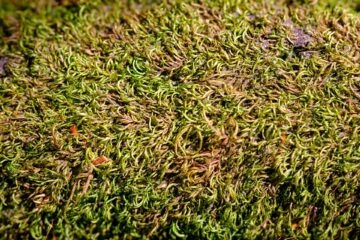
A lush, green lawn is one of the most attractive features of any garden. However, patchy grass can quickly spoil its appearance, leaving bare spots and uneven growth across your outdoor space. The good news is that repairing patchy grass is often straightforward when you understand the causes and apply the right lawn care techniques. In this guide, we’ll explain how to repair patchy grass and revive your lawn so it looks healthy and vibrant throughout the growing season.
Why Does Grass Become Patchy?
Before you start repairing your lawn, it’s important to identify why patches have developed in the first place. Common causes include:
- Heavy foot traffic causing soil compaction
- Pet urine damaging grass roots
- Poor drainage leading to waterlogged soil
- Drought stress during hot weather
- Lawn pests and diseases
- Excessive shade from trees or buildings
- Improper mowing practices
Understanding the root cause will help prevent the problem from returning after repairs are completed.
Step 1: Prepare the Damaged Areas
Start by removing any dead grass, weeds, stones, or debris from the affected patches. Use a garden rake to loosen the top layer of soil and create a fine surface for new seed to establish.
If the soil is compacted, aerate the area using a garden fork. Push the fork several inches into the ground and gently rock it back and forth. This improves airflow, drainage, and root development.
Step 2: Improve Soil Quality
Healthy grass starts with healthy soil. Add a thin layer of quality topsoil or lawn dressing to bare areas. This provides essential nutrients and creates an ideal seedbed for germination.
If your lawn suffers from poor fertility, consider applying a balanced lawn fertiliser according to the manufacturer’s recommendations. Avoid overfeeding, as excessive fertiliser can damage young grass seedlings.
Step 3: Choose the Right Grass Seed
Selecting the correct grass seed is essential for successful lawn repair. Choose a seed mix that matches your existing lawn and growing conditions.
For example:
- Shade-tolerant grass seed for areas with limited sunlight
- Hard-wearing seed mixtures for family gardens and play areas
- Drought-resistant varieties for dry locations
Using the right seed helps ensure a consistent appearance across your lawn.
Step 4: Overseed Bare Patches
Scatter grass seed evenly over the prepared areas. Follow the application rate recommended on the packaging to avoid overcrowding.
Lightly rake the seed into the soil so it makes good contact with the surface. Cover the area with a thin layer of topsoil or compost to help retain moisture and protect the seed from birds.
For larger lawns with widespread thinning, overseeding the entire lawn can improve overall density and appearance.
Step 5: Water Correctly
Water is critical during the germination process. Keep the seeded areas consistently moist but not saturated.
Light watering once or twice daily is often sufficient until seedlings emerge. Once the new grass is established, reduce watering frequency and water more deeply to encourage stronger root growth.
Avoid allowing the soil to dry out completely during the first few weeks.
Step 6: Mow with Care
Wait until the new grass reaches approximately 7–10cm in height before mowing. Use sharp mower blades and remove only the top third of the grass length during each cut.
Cutting grass too short can weaken the lawn and increase the likelihood of future patchiness. Maintaining a slightly higher mowing height helps promote healthier roots and better drought tolerance.
Ongoing Lawn Maintenance Tips
Once your lawn has recovered, regular maintenance will help keep it looking its best.
Key lawn care practices include:
- Mowing regularly at the correct height
- Aerating compacted soil annually
- Applying seasonal lawn fertiliser
- Watering deeply during dry periods
- Controlling weeds before they spread
- Removing excessive thatch buildup
Consistent care encourages thick grass growth that naturally crowds out weeds and resists disease.
Final Thoughts
Repairing patchy grass doesn’t have to be difficult. By identifying the cause, preparing the soil properly, overseeding damaged areas, and maintaining good lawn care habits, you can successfully revive your lawn and restore its lush green appearance. With a little patience and ongoing attention, your garden can enjoy a healthy, thick lawn that enhances your outdoor space for years to come.