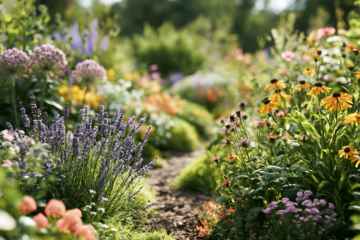
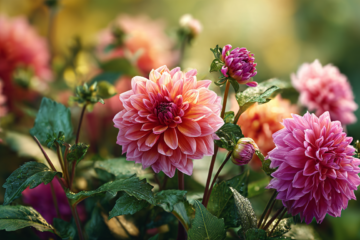
Creating a garden that delivers colour, texture, and interest for months on end is a goal shared by many gardeners. One of the most effective ways to achieve this is by mixing bulbs and perennials within the same planting scheme. By carefully combining these two garden favourites, you can enjoy a succession of blooms from early spring through to autumn while making the most of every inch of planting space.
Why Combine Bulbs and Perennials?
Bulbs and perennials are natural partners in the garden. Bulbs provide some of the earliest and most dramatic displays of the year, often emerging when little else is in flower. Perennials, meanwhile, take over as the season progresses, filling gaps and maintaining colour long after many bulbs have finished blooming.
This partnership creates a layered planting effect that maximises visual impact while ensuring continuous interest. As spring-flowering bulbs fade, emerging perennial foliage neatly disguises their dying leaves, allowing bulbs to replenish their energy for the following year without detracting from the appearance of the border.
Start with Spring Bulbs
Spring bulbs are the foundation of many long-lasting displays. Daffodils, tulips, crocuses, and alliums provide a vibrant start to the gardening season and can be planted among dormant perennials during autumn.
Daffodils pair beautifully with hardy geraniums, catmint, and daylilies. As the daffodil foliage begins to yellow, the surrounding perennial growth expands to conceal it. Tulips work particularly well with asters, salvias, and perennial grasses, creating striking contrasts in colour and form.
For a naturalised look, scatter bulbs in drifts rather than planting them in rigid rows. This approach creates a more relaxed and professional-looking display.
Layer for Extended Bloom Times
A key design principle when mixing bulbs and perennials is succession planting. Choose plants with staggered flowering periods so that something is always taking centre stage.
For example:
- Early spring: Snowdrops, crocuses, and hellebores.
- Mid-spring: Tulips, daffodils, and pulmonaria.
- Late spring: Alliums, peonies, and nepeta.
- Summer: Lilies, echinacea, salvias, and rudbeckia.
- Autumn: Nerines, Japanese anemones, and asters.
This layered approach ensures the garden evolves naturally throughout the year rather than peaking for a few weeks and then fading.
Consider Colour Harmony
Colour plays a major role in successful bulb and perennial combinations. A harmonious palette helps create a cohesive look, while contrasting colours can add drama and excitement.
Soft pastel combinations such as pink tulips with lavender catmint create a romantic cottage-garden feel. For a bolder display, combine deep purple alliums with bright yellow coreopsis or rudbeckia. White flowering bulbs paired with silver-leaved perennials provide an elegant, timeless appearance that works in both modern and traditional gardens.
Repeating colours throughout the border helps tie different planting areas together and creates a sense of balance.
Use Different Heights and Textures
Mixing plant heights and textures adds depth and visual intrigue. Tall alliums rising above lower-growing perennials create architectural interest, while slender iris leaves contrast beautifully with broader perennial foliage.
Try combining:
- Alliums with salvia and lady’s mantle.
- Tulips with ornamental grasses.
- Lilies with echinacea and verbena.
- Daffodils with hostas and hardy geraniums.
By varying shapes and textures, the display remains appealing even when certain plants are not in flower.
Plan for Maintenance
One of the biggest mistakes gardeners make is removing bulb foliage too early. After flowering, bulbs need several weeks for their leaves to capture energy and store it for future growth. Mixing them with perennials helps disguise this untidy phase.
When planting, leave enough space around bulbs for perennial roots to develop without becoming overcrowded. Every few years, lift and divide congested perennials and split overcrowded bulb clumps to maintain vigorous growth.
Applying a balanced fertiliser in spring and adding organic matter annually will also keep both bulbs and perennials healthy and productive.
Final Thoughts
Mixing bulbs and perennials is one of the smartest ways to create a garden with season-long appeal. By carefully selecting plants with complementary flowering times, colours, and textures, you can enjoy a continually evolving display from the first snowdrops of spring to the final asters of autumn. With thoughtful planning, your borders will offer months of colour, support pollinators, and provide a professional-looking garden that never feels empty or out of season.