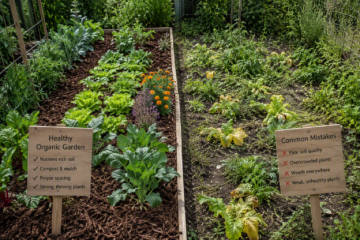
Healthy soil is the foundation of every successful organic garden. Whether you grow vegetables, herbs, flowers, or fruit, the quality of your soil directly affects plant health, productivity, and resilience. By focusing on natural soil-building methods instead of synthetic chemicals, gardeners can create a thriving ecosystem that supports strong plant growth while protecting the environment.
Why Healthy Soil Matters
Soil is much more than a place for roots to grow. It is a living ecosystem filled with beneficial bacteria, fungi, earthworms, and other microorganisms. These organisms work together to break down organic matter, release nutrients, improve soil structure, and help plants absorb water efficiently.
When synthetic fertilizers are used heavily, plants may receive a quick nutrient boost, but the long-term health of the soil can suffer. Organic gardening takes a different approach by feeding the soil first, allowing the soil to nourish plants naturally over time.
Add Plenty of Organic Matter
One of the most effective ways to build healthy soil naturally is by adding organic matter. Compost is often called “black gold” because it improves nearly every aspect of soil health.
Regular additions of compost help to:
- Increase soil fertility
- Improve moisture retention
- Enhance soil structure
- Encourage beneficial microorganisms
- Reduce soil compaction
Kitchen scraps, grass clippings, fallen leaves, and garden trimmings can all be composted and returned to the garden. Applying a layer of finished compost once or twice a year provides a steady source of nutrients without the need for synthetic fertilizers.
Use Mulch to Protect and Feed the Soil
Mulching is an essential practice in organic gardening. Organic mulches such as straw, shredded leaves, bark chips, or grass clippings help protect the soil from harsh weather conditions.
Benefits of mulching include:
- Conserving soil moisture
- Suppressing weed growth
- Regulating soil temperature
- Preventing erosion
- Adding organic matter as the mulch decomposes
As mulch breaks down, it gradually feeds soil organisms and improves overall soil fertility. This natural process mimics what happens in forests and other healthy ecosystems.
Grow Cover Crops
Cover crops, also known as green manures, are plants grown specifically to improve soil health. Popular cover crops include clover, rye, buckwheat, and vetch.
These plants provide several valuable benefits:
- Prevent soil erosion
- Suppress weeds
- Improve soil structure
- Increase organic matter
- Support beneficial insects
Legume cover crops, such as clover and vetch, can also fix nitrogen from the atmosphere, making it available to future crops. When cover crops are cut down and incorporated into the soil, they act as a natural fertilizer.
Avoid Excessive Tilling
While tilling may seem like a useful way to prepare garden beds, excessive cultivation can damage soil structure and disrupt beneficial microorganisms.
Frequent tilling can:
- Destroy fungal networks
- Increase soil erosion
- Reduce moisture retention
- Accelerate organic matter loss
Instead, consider using no-dig or low-till gardening methods. Adding compost to the soil surface and allowing earthworms and microbes to incorporate it naturally helps preserve soil health while minimizing disturbance.
Encourage Beneficial Soil Life
Healthy soil depends on a diverse community of living organisms. Earthworms, bacteria, fungi, and other beneficial creatures play a vital role in nutrient cycling and soil improvement.
To encourage soil life:
- Avoid synthetic pesticides and fertilizers
- Add compost regularly
- Leave some plant residues on beds
- Maintain consistent soil moisture
- Use organic mulches
The more active the soil biology, the more efficiently nutrients become available to plants.
Rotate Crops Each Season
Crop rotation is another powerful strategy for maintaining healthy soil. Growing the same crop in the same location year after year can deplete specific nutrients and encourage pest and disease problems.
By rotating plant families throughout the garden, you can:
- Balance nutrient use
- Reduce soil-borne diseases
- Minimize pest populations
- Improve overall soil fertility
Even small gardens can benefit from a simple crop rotation plan.
Test and Monitor Your Soil
Regular soil testing helps gardeners understand nutrient levels and pH without relying on guesswork. Knowing exactly what your soil needs allows you to make targeted organic amendments rather than applying unnecessary products.
Monitoring your soil over time also helps track improvements in fertility and structure, ensuring your organic gardening efforts continue moving in the right direction.
Conclusion
Building healthy soil without synthetic chemicals is a long-term investment that pays significant dividends. By adding compost, using mulch, growing cover crops, reducing tillage, encouraging soil life, rotating crops, and monitoring soil conditions, gardeners can create rich, fertile soil that supports vigorous plant growth naturally. Healthy soil leads to healthier plants, better harvests, and a more sustainable garden for years to come.