Houseplants do more than brighten up a room—they bring a sense of calm, improve indoor aesthetics, and create a stronger connection to nature. While many people worry that keeping houseplants healthy is difficult, the truth is that most indoor plants thrive when given consistent, simple care. By establishing a few easy routines, you can enjoy lush, vibrant houseplants all year round.
Understand Your Plant’s Light Requirements
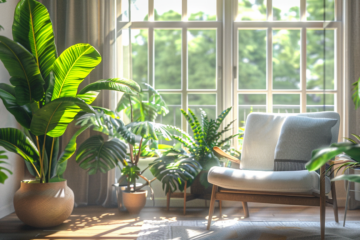
One of the most important factors in houseplant care is providing the right amount of light. Different plants have different needs. Some varieties, such as snake plants and ZZ plants, tolerate low-light conditions, while others, including succulents and fiddle-leaf figs, prefer bright, indirect light.
Take time to observe the natural light levels in your home and place plants accordingly. South-facing windows typically provide the brightest light, while north-facing rooms tend to be shadier. Rotating plants every couple of weeks helps ensure even growth and prevents them from leaning toward the light source.
Develop a Consistent Watering Routine
Overwatering is one of the most common mistakes made by houseplant owners. Many indoor plants prefer the soil to dry slightly between waterings rather than remaining constantly wet.
Before watering, check the soil by inserting your finger about an inch deep. If the soil feels dry, it’s usually time to water. If it still feels moist, wait a few more days. Always use pots with drainage holes to prevent water from collecting around the roots, which can lead to root rot.
Rather than watering on a strict calendar schedule, adjust your routine according to the season. Plants generally require more water during active growth periods in spring and summer and less during autumn and winter.
Maintain Proper Humidity Levels
Many popular houseplants originate from tropical environments and appreciate higher humidity levels than those typically found indoors. Dry air can cause brown leaf edges, curling foliage, and reduced growth.
Simple ways to increase humidity include grouping plants together, placing a tray of water near your plants, or using a small humidifier. Bathrooms and kitchens often provide naturally higher humidity, making them ideal locations for moisture-loving species such as ferns and calatheas.
Regular misting can provide temporary relief for some plants, although consistent humidity management usually delivers better long-term results.
Feed Plants During the Growing Season
Like all living things, houseplants need nutrients to grow and remain healthy. Over time, nutrients in potting soil become depleted, making fertilisation an important part of plant care.
Apply a balanced liquid houseplant fertiliser during the growing season, typically from spring through early autumn. Follow the manufacturer’s instructions carefully, as excessive fertiliser can damage roots and leaves.
Most houseplants require little or no fertiliser during winter when growth naturally slows. A simple feeding schedule every four to six weeks during active growth is often sufficient.
Keep Leaves Clean and Healthy
Dust can accumulate on leaves, reducing a plant’s ability to absorb light and perform photosynthesis efficiently. Cleaning your houseplants is a simple task that can make a noticeable difference in their appearance and health.
Wipe larger leaves gently with a damp cloth every few weeks. Smaller plants can often be refreshed with a light rinse in the shower or sink. While cleaning, inspect plants for signs of pests such as spider mites, mealybugs, or aphids.
Early detection allows you to address problems before they spread, helping your plants stay healthy and attractive.
Repot When Necessary
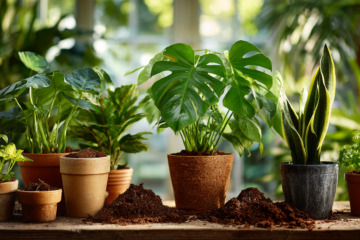
As houseplants grow, they eventually outgrow their containers. Signs that a plant may need repotting include roots emerging from drainage holes, slow growth, or water running straight through the pot without being absorbed.
Choose a new container that is only one size larger than the current pot. Using a pot that is too large can lead to excess moisture around the roots. Fresh potting mix provides renewed nutrients and improves drainage, giving your plant the best chance to continue thriving.
Final Thoughts
Keeping houseplants thriving doesn’t require expert knowledge or hours of maintenance. By focusing on the basics—proper light, careful watering, adequate humidity, occasional feeding, regular cleaning, and timely repotting—you can create a simple care routine that supports healthy growth. Consistency is the key to success, and even the busiest plant owners can enjoy beautiful, flourishing indoor plants with just a little regular attention.