A thriving garden is a source of pride for any gardener, but it can quickly become a feeding ground for unwanted pests if problems are not spotted early. Learning how to identify common garden pests before they spread is one of the most effective ways to protect your plants, maintain healthy growth, and avoid costly damage. Early detection allows you to take action before infestations grow out of control, helping your garden remain productive and attractive throughout the growing season.
Why Early Pest Identification Matters
Many garden pests reproduce rapidly. A small group of insects can become a large infestation in just a few weeks, causing extensive damage to flowers, vegetables, shrubs, and fruit plants. Regularly inspecting your garden allows you to identify warning signs and implement control measures before significant harm occurs.
Look for changes such as discoloured leaves, holes in foliage, distorted growth, sticky residue, or visible insects. The earlier these symptoms are noticed, the easier it is to manage the problem using environmentally friendly methods.
Aphids
Aphids are among the most common garden pests and are often found clustering on new shoots, flower buds, and the undersides of leaves. These small insects can be green, black, brown, yellow, or pink.
Signs of Aphids
- Curled or distorted leaves
- Sticky honeydew on plant surfaces
- Increased ant activity
- Stunted plant growth
Aphids feed by sucking sap from plants, weakening them and potentially transmitting diseases. They are especially problematic on roses, beans, tomatoes, and many ornamental plants. Also look for ants and these can be attracted to the sweet honeydew.
Slugs and Snails
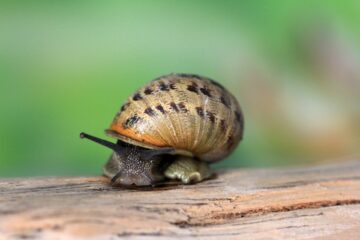
Slugs and snails are notorious for damaging young plants and seedlings. They typically feed at night or during damp weather, making them difficult to spot during the day.
Signs of Slugs and Snails
- Irregular holes in leaves
- Missing seedlings
- Silvery slime trails on plants and soil
- Damaged fruits resting near the ground
Hostas, lettuce, strawberries, and young vegetable plants are particularly vulnerable to slug and snail attacks.
Caterpillars
While butterflies are a welcome sight in many gardens, their larvae can sometimes cause considerable damage. Caterpillars chew through leaves rapidly and can defoliate plants if left unchecked.
Signs of Caterpillars
- Large holes in leaves
- Chewed edges on foliage
- Visible droppings beneath plants
- Sightings of larvae on stems and leaves
Regular inspection of brassicas such as cabbage, kale, and broccoli can help prevent widespread caterpillar damage.
Spider Mites
Spider mites are tiny pests that are often overlooked until plant damage becomes severe. They thrive during hot, dry conditions and can affect both outdoor and greenhouse plants.
Signs of Spider Mites
- Fine webbing on leaves
- Yellow or speckled foliage
- Premature leaf drop
- Weak, unhealthy-looking plants
Inspect the undersides of leaves carefully, as spider mites are extremely small and difficult to see with the naked eye.
Whiteflies
Whiteflies are tiny white insects commonly found on vegetables, greenhouse plants, and ornamental flowers. When disturbed, they fly up in small clouds.
Signs of Whiteflies
- Yellowing leaves
- Sticky honeydew deposits
- Reduced plant vigour
- Sooty mould developing on leaves
Tomatoes, cucumbers, fuchsias, and other soft-leaved plants are common targets.
Vine Weevils
Vine weevils can be particularly destructive because both the adult insects and their larvae cause damage. Adults feed on leaves, while larvae attack plant roots beneath the soil.
Signs of Vine Weevils
- Notched leaf edges
- Wilting despite adequate watering
- Poor growth
- Plants collapsing unexpectedly
Container-grown plants are especially susceptible to vine weevil infestations.
Preventing Pest Problems
Prevention is always easier than treatment. Regular monitoring is essential for maintaining a pest-free garden. Walk through your garden at least once a week and inspect leaves, stems, flowers, and soil around plants.
Other effective preventative measures include:
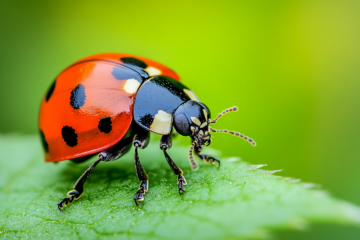
- Encouraging beneficial insects such as ladybirds and lacewings
- Maintaining healthy soil conditions
- Removing dead plant material promptly
- Avoiding overcrowded planting
- Rotating crops in vegetable gardens
- Watering plants appropriately to reduce stress
Healthy, vigorous plants naturally resist pest attacks better than weak or stressed specimens.
Final Thoughts
Identifying common garden pests before they spread is a vital skill for every gardener. By learning the early warning signs of aphids, slugs, caterpillars, spider mites, whiteflies, and vine weevils, you can act quickly to minimise damage and keep your garden flourishing. Consistent inspections and proactive garden care will help you stay ahead of infestations, ensuring healthier plants, better harvests, and a more beautiful outdoor space all year round.