If you want to create a garden with real impact, architectural plants are one of the most effective design tools available. Their dramatic shapes, striking foliage, and commanding presence can transform even the simplest outdoor space into a stylish and memorable landscape. Whether you have a contemporary garden, a tropical-inspired retreat, or a traditional border, architectural plants add structure, drama, and year-round interest.
What Are Architectural Plants?
Architectural plants are species that stand out due to their distinctive shape, size, texture, or foliage. Rather than blending into the background, these plants become focal points that draw the eye and create visual interest. They often feature large leaves, upright growth habits, bold silhouettes, or unusual forms that help define the character of a garden.
Using architectural plants strategically can create a sense of balance and structure while adding depth to planting schemes. They work particularly well as standalone specimens, within mixed borders, or as part of modern garden designs.
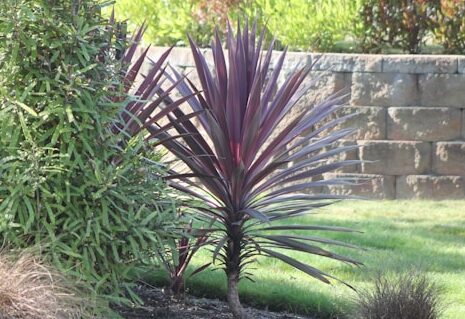
Cordyline Australis
One of the most popular architectural plants in UK gardens is the Cordyline australis, commonly known as the cabbage palm. Its long, sword-like leaves form an attractive crown atop a tall trunk, creating a striking, palm-like appearance.
Cordylines are ideal for adding height and a touch of the exotic to borders and patios. They thrive in sunny positions and can tolerate coastal conditions, making them a versatile choice for many gardens.
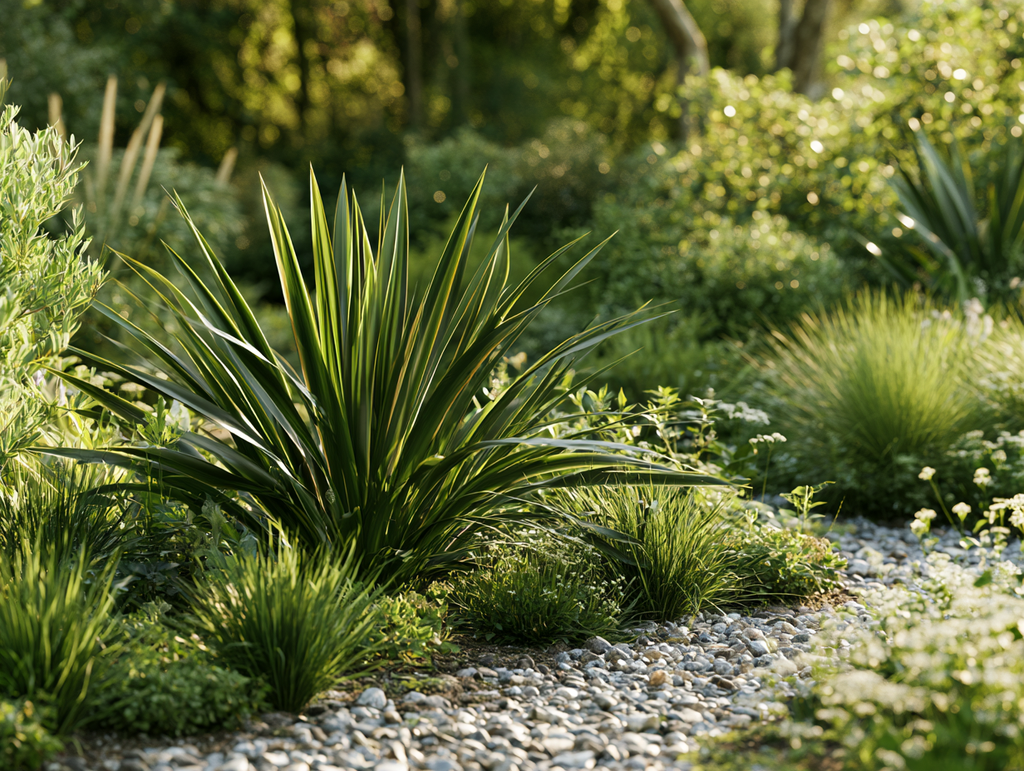
Phormium
Phormiums, also known as New Zealand flax, are prized for their dramatic, arching leaves that come in a variety of colours, including green, bronze, purple, and variegated forms. Their bold foliage creates strong visual lines and provides year-round interest.
These hardy evergreens are low maintenance and work particularly well in contemporary planting schemes. Their sculptural appearance makes them excellent focal points in both large and small gardens.

Fatsia Japonica
For shady areas, few plants offer as much architectural appeal as Fatsia japonica. Its large, glossy, deeply lobed leaves create a lush, tropical effect that instantly enhances any garden space.
Fatsia thrives in sheltered locations and is particularly useful for bringing texture and structure to areas where many other plants struggle. Its evergreen foliage ensures it remains attractive throughout the year.
Yucca
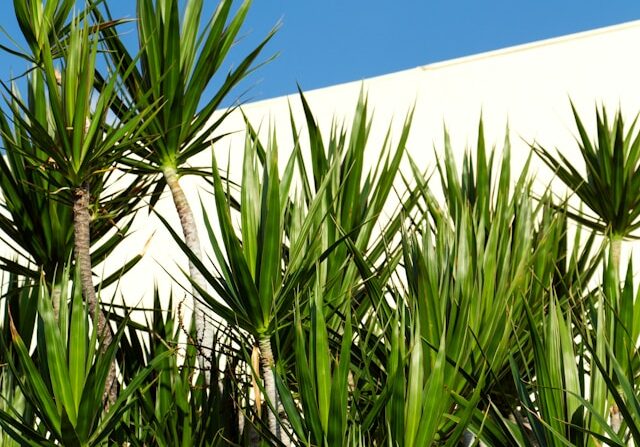
Yuccas are known for their dramatic rosettes of stiff, sword-shaped leaves. Their bold geometric form makes them a favourite in contemporary and drought-tolerant gardens.
Many varieties also produce impressive spikes of creamy white flowers during summer, adding an extra layer of interest. Yuccas prefer sunny, well-drained positions and require very little maintenance once established.
Gunnera Manicata
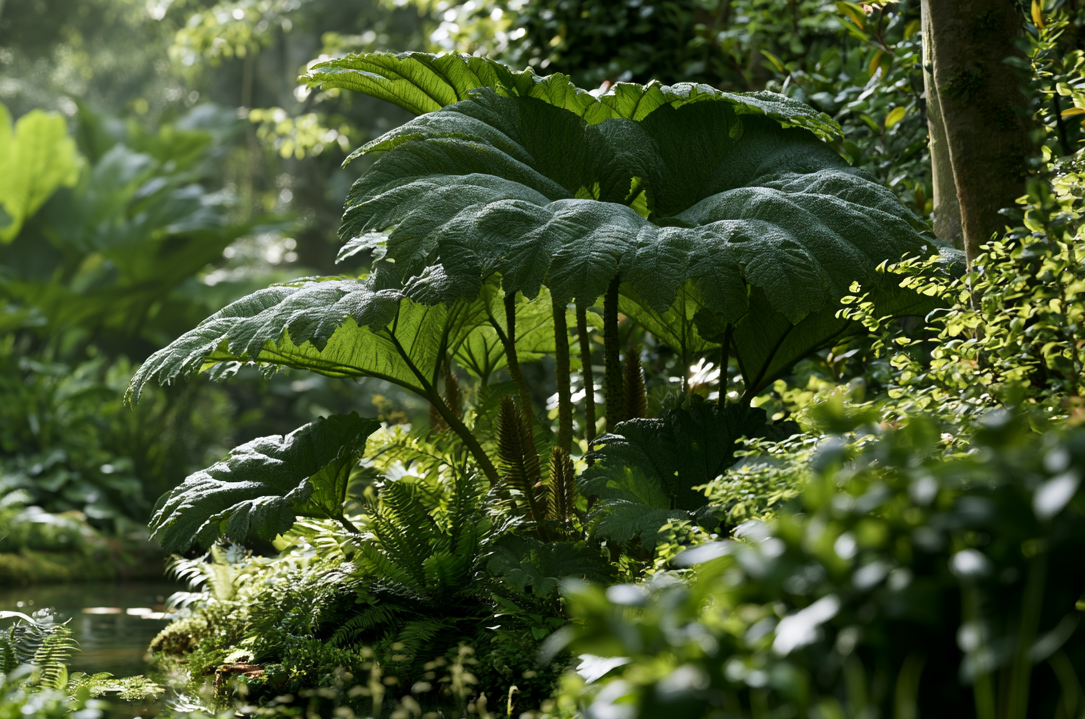
If you’re looking for a truly dramatic statement plant, Gunnera manicata is hard to beat. Often referred to as giant rhubarb, this impressive perennial produces enormous leaves that can reach over a metre across.
Gunnera thrives in moist soil and is particularly effective near ponds, streams, or large borders. Its huge foliage creates a jungle-like atmosphere that can completely transform a garden landscape.
Tree Ferns
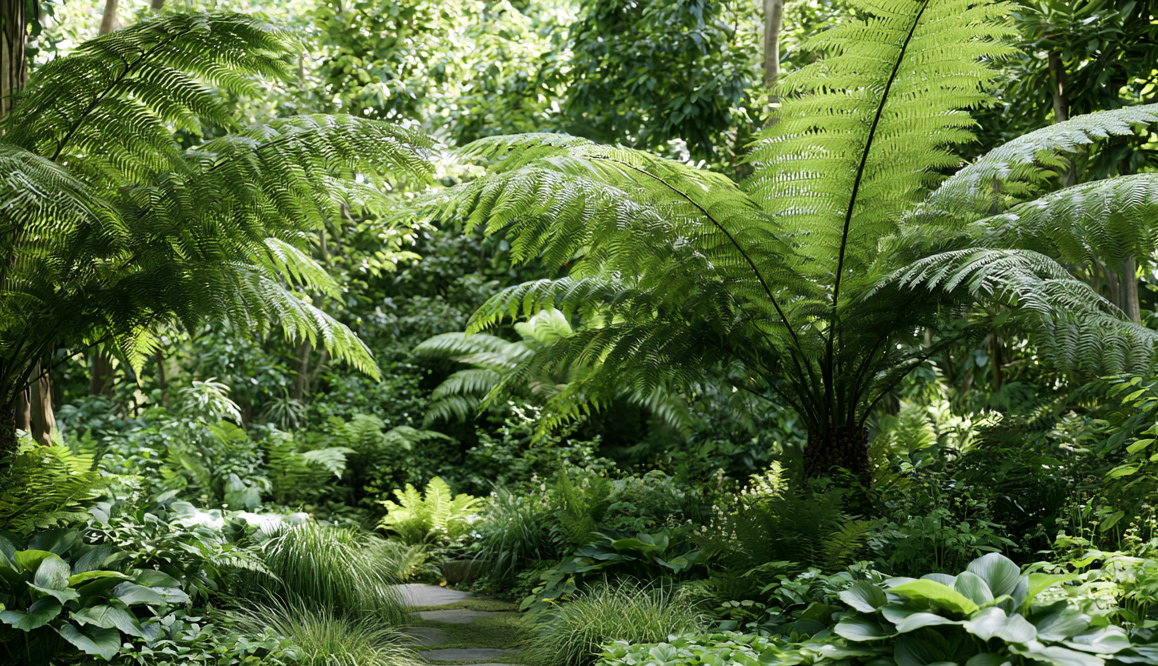
Tree ferns provide instant architectural interest and are often associated with exotic garden designs. Their elegant trunks and large, feathery fronds create a striking silhouette that brings movement and texture to outdoor spaces.
Although they require some winter protection in colder regions, tree ferns are well worth the effort and can become stunning centrepieces as they mature.
Agapanthus
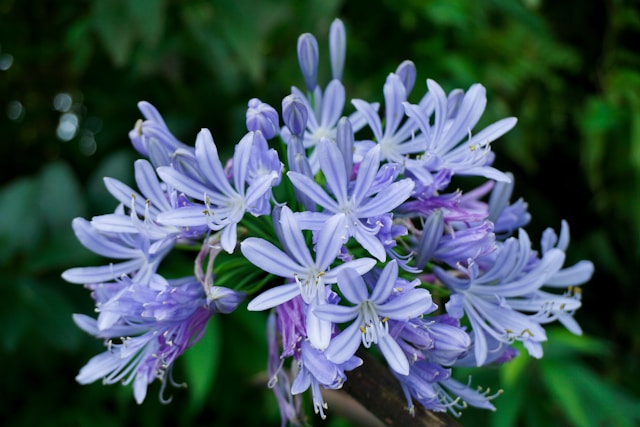
While best known for their beautiful flower displays, Agapanthus plants also offer strong architectural value. Their clumps of strap-like leaves provide structure, while tall stems topped with rounded flower heads create impressive vertical accents during summer.
Available in shades of blue, purple, and white, Agapanthus works wonderfully in borders, containers, and Mediterranean-inspired gardens.
Tips for Using Architectural Plants
To achieve the greatest visual impact, avoid overcrowding architectural plants with too many surrounding specimens. Give them space to showcase their natural form. Combining bold architectural plants with softer grasses, flowering perennials, and ground cover plants helps create contrast and balance.
Repeating key architectural plants throughout the garden can also establish rhythm and cohesion, guiding the eye through the landscape while maintaining a strong overall design.
Conclusion
Architectural plants are invaluable for creating gardens that feel stylish, structured, and visually engaging. From the tropical leaves of Fatsia japonica and Gunnera manicata to the sculptural forms of Cordylines, Phormiums, and Yuccas, these plants deliver year-round interest and unforgettable garden presence. By incorporating a few carefully chosen architectural specimens, you can create a bold garden statement that enhances the beauty and character of your outdoor space for years to come.