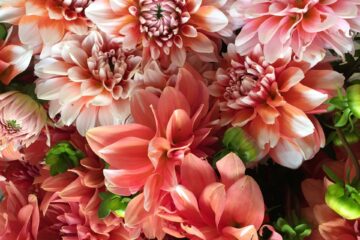
Dahlias are among the most rewarding flowers a gardener can grow. Known for their spectacular colours, impressive flower size, and long blooming season, dahlias can transform borders, containers, and cutting gardens from midsummer right through to autumn. Whether you’re growing decorative, cactus, pompon, or dinner-plate varieties, the secret to bigger, brighter blooms lies in proper planting, feeding, and care.
If you want to enjoy stunning dahlia flowers that become the centrepiece of your garden, follow these expert tips to help your plants thrive.
Why Grow Dahlias?
Dahlias are prized for their incredible diversity. Available in almost every colour except true blue, they offer flower shapes and sizes to suit every garden style. They also make excellent cut flowers, often lasting over a week in a vase.
One of the biggest advantages of growing dahlias is their extended flowering period. Unlike many summer flowers that fade quickly, dahlias continue producing blooms from July until the first frost when cared for correctly.
Choosing the Right Dahlia Variety
Selecting the right variety is an important first step. If you’re aiming for large exhibition-style blooms, choose dinner-plate dahlias such as ‘Café au Lait’ or ‘Kelvin Floodlight’. For compact gardens and containers, opt for dwarf varieties that produce abundant flowers without requiring extensive staking.
When purchasing tubers, look for firm, healthy specimens free from signs of rot or damage. Starting with quality tubers increases your chances of producing vigorous plants and larger flowers.
Planting Dahlias for Success
Dahlias thrive in full sun and fertile, well-drained soil. Choose a location that receives at least six hours of direct sunlight each day. More sunlight generally results in stronger stems and more vibrant blooms.
Before planting, improve the soil with well-rotted compost or garden manure. This enriches the soil and helps retain moisture throughout the growing season.
Plant tubers outdoors after the risk of frost has passed. Position them around 10-15cm deep with the growing eye facing upwards. Space larger varieties approximately 60-90cm apart to ensure adequate airflow and room for growth.
Water lightly after planting but avoid overwatering until shoots appear above the soil surface.
Feeding for Bigger Blooms
One of the most effective ways to grow bigger dahlia flowers is through proper feeding. Dahlias are hungry plants and benefit from regular nutrition throughout the growing season.
Start by incorporating a balanced fertiliser into the soil before planting. Once plants begin active growth, switch to a high-potassium feed, similar to tomato fertiliser, every two weeks.
Avoid excessive nitrogen-rich feeds, as these can encourage leafy growth at the expense of flowers. A balanced feeding programme helps direct the plant’s energy into producing larger, brighter blooms.
Watering Correctly
Consistent watering is essential for healthy dahlia plants. Deep watering encourages roots to grow downward, creating stronger, more resilient plants.
During hot, dry weather, water deeply once or twice a week rather than applying small amounts daily. Mulching around the plants with compost or organic matter helps conserve moisture and suppress weeds.
Be careful not to leave soil waterlogged, as excessive moisture can lead to tuber rot and other growing problems.
Pinching Out and Disbudding
Professional growers often use pinching and disbudding techniques to maximise flower quality.
When plants reach approximately 30cm tall, pinch out the growing tip. This encourages side shoots to develop, resulting in bushier plants with more flowering stems.
For exceptionally large blooms, remove some of the side flower buds as they form. This process, known as disbudding, allows the plant to focus its energy on fewer flowers, producing larger and more impressive blooms.
Supporting Tall Varieties
Many dahlia varieties can reach heights of over 1.5 metres and may require support to prevent stems from snapping in strong winds.
Install sturdy stakes at planting time and tie stems loosely as they grow. Early support is less disruptive than trying to secure mature plants later in the season.
Proper staking also improves air circulation around the plants, helping reduce the risk of fungal diseases.
Deadheading for Continuous Flowers
Regular deadheading is one of the simplest ways to extend the flowering season. Remove faded blooms promptly by cutting back to a healthy leaf joint.
This prevents the plant from putting energy into seed production and encourages a constant supply of fresh flowers throughout the summer and autumn.
Frequent harvesting for indoor arrangements has the same effect, making dahlias one of the best cutting flowers available.
Overwintering Dahlia Tubers
In colder parts of the UK, dahlia tubers benefit from winter protection. After the first frost blackens the foliage, cut stems back and carefully lift the tubers.
Allow them to dry before storing them in a cool, frost-free location in boxes of dry compost, sand, or vermiculite. Replant in spring once temperatures begin to rise.
Gardeners in milder regions may successfully overwinter tubers in the ground with a thick layer of mulch, although lifting remains the safest option.
Final Thoughts
Learning how to grow dahlias for bigger, brighter blooms is largely about providing the right conditions and consistent care. By planting in sunny locations, feeding regularly, watering deeply, pinching out young growth, and deadheading throughout the season, you can enjoy a spectacular display of colourful flowers from summer until the first frost.
With so many varieties available and a flowering performance that few plants can match, dahlias are an excellent choice for gardeners seeking maximum impact and long-lasting colour in their outdoor spaces.