Healthy plants are the foundation of any successful garden. While diseases can quickly damage flowers, vegetables, shrubs, and trees, prevention is always more effective than treatment. By adopting good gardening practices and creating an environment that supports plant health, gardeners can significantly reduce the risk of fungal, bacterial, and viral infections. Here are some of the most effective preventative measures to keep your plants disease-free throughout the growing season.
Start with Healthy Plants
Disease prevention begins before a plant even enters your garden. Always purchase plants, seeds, and bulbs from reputable suppliers known for providing high-quality, disease-free stock. Carefully inspect plants for signs of discoloration, spots, wilting, mold, or insect activity before purchasing them.
Choosing disease-resistant varieties is another smart strategy. Many modern vegetable and ornamental plant cultivars are bred specifically to resist common diseases such as powdery mildew, blight, and rust, making them easier to maintain and more productive.
Improve Soil Health
Healthy soil plays a critical role in disease prevention. Plants grown in nutrient-rich, well-drained soil are naturally more resilient to infections. Incorporate organic matter such as compost or well-rotted manure to improve soil structure, drainage, and nutrient availability.
Regular soil testing helps identify nutrient deficiencies or pH imbalances that may weaken plants and make them more susceptible to disease. Maintaining healthy soil biology encourages beneficial microorganisms that compete with harmful pathogens, creating a natural line of defense.
Water Correctly
Improper watering is one of the leading causes of plant disease. Overwatering can create conditions that encourage root rot and fungal infections, while underwatering stresses plants and weakens their natural defences.
Water plants at the base rather than overhead whenever possible. Wet foliage provides the perfect environment for many fungal diseases to develop and spread. Early morning watering is ideal because it allows leaves to dry quickly as temperatures rise during the day.
Using drip irrigation or soaker hoses can further reduce disease risks by delivering moisture directly to the root zone without wetting the foliage.
Ensure Good Air Circulation
Poor air circulation creates humid conditions that promote the growth of fungal diseases such as powdery mildew and botrytis. Proper plant spacing is essential to allow air to move freely around foliage.
Prune overcrowded branches and remove excessive growth from shrubs, trees, and climbing plants. This not only improves airflow but also increases sunlight penetration, helping leaves dry faster after rainfall or watering.
Keeping garden beds free from overcrowding is a simple yet highly effective method of disease prevention.
Practice Proper Garden Hygiene
Good sanitation is one of the most overlooked aspects of disease management. Diseased leaves, fallen fruit, and plant debris can harbor pathogens that survive from one season to the next.
Remove infected plant material promptly and dispose of it appropriately. Avoid composting diseased plants unless your compost pile consistently reaches temperatures high enough to kill pathogens.
Clean and disinfect gardening tools regularly, especially after working with infected plants. Pruners, trowels, and stakes can easily transfer diseases throughout the garden if not properly sanitized.
Rotate Crops Annually
Crop rotation is particularly important in vegetable gardens. Growing the same crop in the same location year after year allows soil-borne diseases to build up over time.
Rotate plant families every season to disrupt disease cycles and reduce pathogen populations in the soil. For example, avoid planting tomatoes, peppers, potatoes, and other members of the nightshade family in the same bed consecutively.
A planned rotation system can dramatically decrease disease pressure and improve long-term garden productivity.
Monitor Plants Regularly
Regular inspections allow gardeners to identify potential problems before they become severe. Examine leaves, stems, flowers, and roots for unusual symptoms such as spots, discoloration, wilting, mold growth, or distorted foliage.
Early detection often means that affected plant parts can be removed before the disease spreads. Consistent monitoring also helps distinguish between disease issues and pest damage, ensuring appropriate action is taken.
Control Pests That Spread Disease
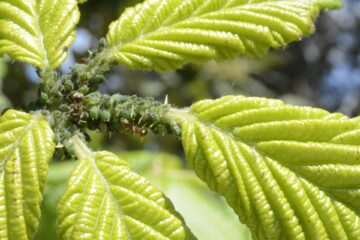
Many insects act as carriers for plant diseases. Aphids, whiteflies, leafhoppers, and thrips can spread harmful viruses and bacteria as they feed.
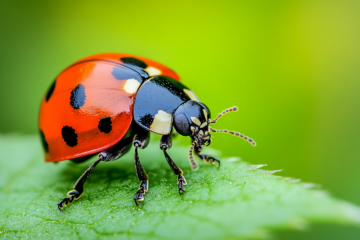
Encourage beneficial insects such as ladybirds and lacewings, which naturally help control pest populations. Physical barriers, insect netting, and targeted pest management techniques can further reduce the risk of disease transmission.
Conclusion
Keeping plants disease-free is largely a matter of prevention rather than cure. Starting with healthy plants, maintaining fertile soil, watering properly, ensuring good airflow, practicing excellent garden hygiene, rotating crops, monitoring regularly, and managing pests all contribute to a healthier garden ecosystem. By implementing these preventative measures consistently, gardeners can enjoy stronger, more resilient plants and a more productive, attractive garden throughout the year.