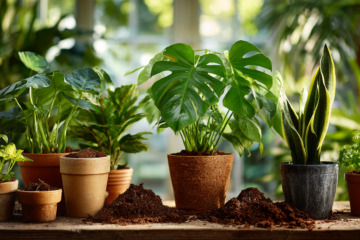
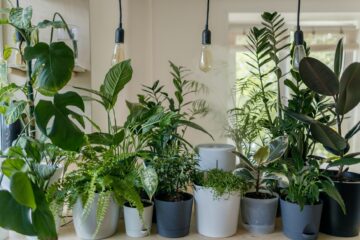
Indoor plants do much more than add a touch of greenery to your home. Many houseplants can help create a healthier indoor environment by filtering airborne pollutants, increasing humidity levels, and contributing to overall wellbeing. While no plant can completely purify the air on its own, incorporating the right houseplants into your living spaces can complement good ventilation and help make your home feel fresher and more inviting.
In this guide, we’ll explore the best houseplants for improving indoor air quality and how to care for them successfully.
Why Houseplants Help Improve Indoor Air Quality
Modern homes are often sealed tightly for energy efficiency, which can allow indoor pollutants to accumulate. Common household items such as cleaning products, furniture, carpets, and paint can release volatile organic compounds (VOCs) into the air. Houseplants can absorb some of these compounds through their leaves and root systems while also releasing oxygen and increasing humidity through transpiration.
Higher humidity levels can be particularly beneficial during winter months when central heating can make indoor air feel dry and uncomfortable.
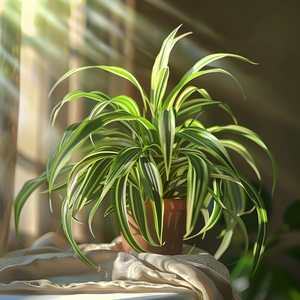
Spider Plant (Chlorophytum comosum)
The Spider Plant is one of the easiest and most effective houseplants for beginners. Its arching green-and-white striped leaves add visual interest while helping to remove pollutants from indoor environments.
Spider Plants thrive in bright, indirect light but can adapt to lower light conditions. They require only occasional watering and are known for producing small plantlets that can be propagated easily.
Benefits
- Easy to grow and maintain
- Tolerates a wide range of conditions
- Produces attractive trailing offspring
- Suitable for hanging baskets and shelves
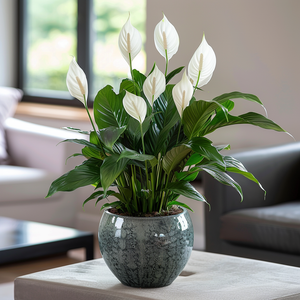
Peace Lily (Spathiphyllum)
Peace Lilies are popular for their elegant white blooms and glossy green foliage. They are often recommended for improving indoor air quality due to their ability to absorb certain airborne pollutants.
These plants prefer moderate to low light and consistently moist soil. Peace Lilies will often signal when they need water by drooping slightly, making them relatively easy to care for.
Benefits
- Attractive flowers throughout the year
- Thrives in lower light conditions
- Helps increase indoor humidity
- Compact enough for smaller rooms
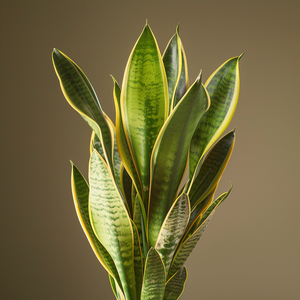
Snake Plant (Sansevieria trifasciata)
Also known as Mother-in-Law’s Tongue, the Snake Plant is famous for its upright architectural leaves and exceptional resilience. It is an excellent choice for busy homeowners who may occasionally forget to water their plants.
Snake Plants tolerate low light but grow fastest in bright, indirect conditions. One unique feature is their ability to continue producing oxygen at night, making them a popular bedroom plant.
Benefits
- Extremely low maintenance
- Drought tolerant
- Ideal for bedrooms and offices
- Modern and stylish appearance
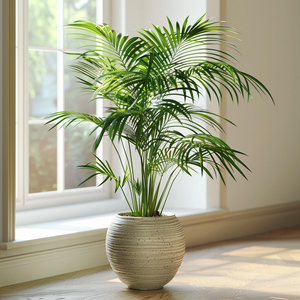
Areca Palm (Dypsis lutescens)
The Areca Palm brings a tropical feel to your home while acting as a natural humidifier. Its feathery fronds help increase moisture levels in the air, which can improve comfort in dry indoor environments.
This palm prefers bright, indirect sunlight and regular watering. Given enough space, it can become an impressive statement plant.
Benefits
- Excellent natural humidifier
- Creates a tropical aesthetic
- Pet-friendly option
- Effective for larger rooms

English Ivy (Hedera helix)
English Ivy is a versatile trailing plant that looks beautiful in hanging baskets, on shelves, or trained along indoor supports. Its cascading vines create visual interest while contributing to cleaner indoor air.
This plant prefers bright, indirect light and evenly moist soil. Regular pruning will encourage fuller growth and keep it looking tidy.
Benefits
- Attractive trailing growth habit
- Suitable for compact spaces
- Easy to shape and maintain
- Adds texture to indoor displays
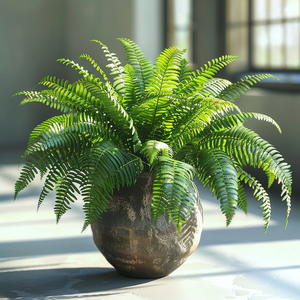
Boston Fern (Nephrolepis exaltata)
Boston Ferns are among the best houseplants for increasing indoor humidity. Their lush, arching fronds make them a favourite for bathrooms, living rooms, and conservatories.
They thrive in humid conditions with indirect sunlight and consistently moist soil. While they require slightly more attention than some other plants, their beauty makes the effort worthwhile.
Benefits
- Excellent humidity booster
- Dense, lush foliage
- Perfect for bathrooms and kitchens
- Creates a calming indoor atmosphere
Tips for Maximising Indoor Air Quality with Houseplants
To get the most benefit from your indoor plants, place several varieties throughout your home rather than relying on a single specimen. Combining different species creates visual diversity and allows you to enjoy a wider range of benefits.
Keep leaves free of dust by wiping them regularly, as clean foliage can absorb light more efficiently. Ensure plants receive appropriate light and watering, as healthy plants perform better and remain more attractive.
Remember that houseplants work best as part of a broader strategy for healthy indoor air, including regular ventilation, reducing indoor pollutants, and maintaining a clean home.
Conclusion
The best houseplants for improving indoor air quality combine beauty, functionality, and ease of care. Spider Plants, Peace Lilies, Snake Plants, Areca Palms, English Ivy, and Boston Ferns are all excellent choices for creating a greener and more comfortable home environment.
Whether you’re a seasoned plant enthusiast or just starting your indoor gardening journey, adding these air-friendly houseplants to your home can enhance your décor while contributing to a fresher and more welcoming living space. By selecting the right plants and providing proper care, you’ll enjoy healthier-looking greenery and a more pleasant indoor atmosphere year-round.
Keep on top of your gardening with our free online journal
Our free online tool allows you to organise your ideas and garden plans and help you be as efficient as possible in the garden.
Sign up now