Choosing the right fertiliser can make a huge difference to the health, appearance, and productivity of your garden. Whether you are growing vegetables, flowering plants, shrubs, lawns, or container plants, providing the correct nutrients helps them develop strong roots, healthy foliage, and abundant blooms or crops. Understanding the different types of fertilisers and matching them to your plants’ needs is one of the most effective ways to achieve a thriving garden.
Why Fertilisers Matter
Plants require a range of nutrients to grow successfully. The three primary nutrients found in most fertilisers are:
- Nitrogen (N) for leafy green growth.
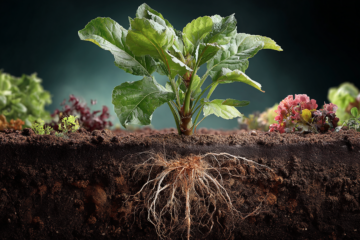
- Phosphorus (P) for root development, flowering, and fruit production.
- Potassium (K) for overall plant health, disease resistance, and strong stems.
Different plants have different nutritional requirements throughout the growing season, which is why a one-size-fits-all approach does not always provide the best results.
Fertilisers for Flowering Plants
Ornamental flowers such as roses, dahlias, petunias, and bedding plants benefit from fertilisers that promote blooms rather than excessive leaf growth. Look for products with a higher phosphorus content, as this nutrient supports flower production.
Feed flowering plants during the active growing season, typically from spring through late summer. Liquid feeds are particularly useful because they provide nutrients quickly and can encourage a longer flowering period.
Organic options such as bone meal can also help support flowering plants while improving soil quality over time.
Fertilisers for Vegetables
Vegetable gardens often place heavy demands on soil nutrients due to rapid growth and repeated harvesting. Different vegetables may require different feeding approaches.
Leafy crops such as lettuce, spinach, and cabbage benefit from nitrogen-rich fertilisers that encourage lush foliage. Fruiting crops such as tomatoes, peppers, cucumbers, and courgettes usually perform better with a fertiliser that contains higher levels of phosphorus and potassium once flowering begins.
Applying well-rotted compost or manure before planting provides a strong nutritional foundation, while supplemental feeding throughout the season helps maintain healthy growth and maximise yields.
Fertilisers for Fruit Trees and Bushes
Fruit trees, strawberries, raspberries, and other fruiting plants need balanced nutrition to support both healthy growth and fruit production. A balanced fertiliser applied in early spring can help plants establish vigorous growth before the fruiting season begins.
During flowering and fruit development, potassium-rich feeds can improve fruit size, quality, and flavour. Avoid overfeeding with nitrogen, as this may result in excessive leafy growth at the expense of fruit production.
Mulching with compost around the base of fruit plants can also add nutrients while helping the soil retain moisture.
Fertilisers for Lawns
Lawns have unique requirements compared to most garden plants. Grass benefits from nitrogen-rich fertilisers that promote thick, green growth. Spring and summer lawn feeds often contain higher nitrogen levels to support active growth.
In autumn, choose a specialist autumn lawn fertiliser with reduced nitrogen and increased potassium. This helps strengthen roots and prepare the lawn for colder weather.
Always follow application instructions carefully, as excessive fertiliser can scorch grass and create uneven growth.
Fertilisers for Shrubs and Trees
Established shrubs and trees generally require less frequent feeding than annual plants. A balanced slow-release fertiliser applied in spring is often sufficient for most ornamental shrubs.
Slow-release products gradually supply nutrients over several months, reducing the risk of nutrient leaching and helping maintain consistent growth. Organic mulches and compost can also provide long-term benefits by improving soil structure and nutrient availability.
Fertilisers for Container Plants
Plants grown in pots and containers have limited access to nutrients because watering gradually washes them out of the compost. As a result, container plants often require more regular feeding than plants growing in garden borders.
Liquid fertilisers applied every one to two weeks during the growing season can keep container plants healthy and productive. Slow-release fertiliser granules mixed into compost at planting time can also provide a steady nutrient supply.
Regular feeding is especially important for hanging baskets and flowering containers, which often contain many plants competing for limited resources.
Organic vs Chemical Fertilisers
Gardeners can choose between organic and chemical fertilisers, each offering advantages.
Organic fertilisers, such as compost, manure, seaweed products, and blood, fish and bone, release nutrients slowly and improve soil health over time. Chemical fertilisers often provide faster results because nutrients are immediately available to plants.
Many gardeners achieve excellent results by combining both approaches, using organic matter to build soil quality and targeted fertilisers to address specific nutritional needs.
Keep Track of What Works in a Gardening Journal
One of the most effective ways to improve your gardening success is to keep a record of the fertilisers you use, when you apply them, and how your plants respond. A gardening journal can help you track flowering times, crop yields, plant growth, soil improvements, and any issues such as nutrient deficiencies or overfeeding. Over time, these records can help you identify which products and feeding schedules work best for different areas of your garden.
For gardeners who prefer a digital solution, the GardensAndGardening Online Gardening Journal provides a convenient way to record planting dates, fertiliser applications, watering schedules, harvests, and seasonal notes all in one place. Having your garden records stored online makes it easy to review previous seasons, plan future planting projects, and build valuable knowledge about your garden’s unique conditions. Whether you grow vegetables, flowers, fruit, or ornamental plants, maintaining a detailed gardening journal can help you make better decisions and achieve stronger results year after year.
Final Thoughts
Selecting the right fertiliser for different types of garden plants helps create healthier growth, stronger root systems, better flowering, and higher crop yields. By understanding the nutritional needs of your flowers, vegetables, fruit, lawns, shrubs, and container plants, you can provide the right support at the right time. Combined with proper watering, regular weeding, and healthy soil management, the correct fertiliser can help your garden flourish throughout the year.