Starting a garden can feel overwhelming, especially when you’re faced with countless plant choices, gardening techniques, and advice from experienced growers. The good news is that successful gardening doesn’t have to be complicated. By focusing on a few essential principles, beginners can grow healthier plants, enjoy better results, and build confidence in the garden.
Whether you’re growing flowers, vegetables, herbs, or shrubs, these beginner-friendly gardening secrets will help you create a thriving outdoor space.
Start with the Right Plants
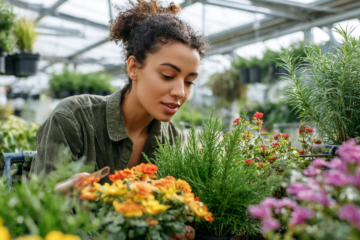
One of the biggest mistakes new gardeners make is choosing plants that are unsuitable for their garden conditions. Before purchasing anything, take time to understand your available sunlight, soil type, and local climate.
Some plants thrive in full sun, while others prefer partial shade. Selecting plants that naturally suit your environment reduces maintenance and improves the chances of success. Hardy, low-maintenance plants such as lavender, marigolds, hostas, rosemary, and salad leaves are excellent choices for beginners.
When plants are grown in the right conditions, they are naturally healthier, more resistant to pests, and require less intervention.
Improve Your Soil First
Healthy plants begin with healthy soil. Many gardening problems can be traced back to poor soil quality, which affects drainage, nutrient availability, and root development.
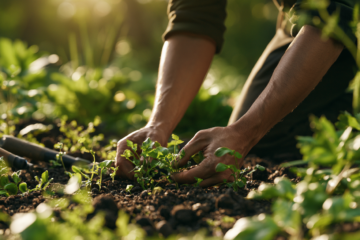
Before planting, enrich your soil with organic matter such as compost, well-rotted manure, or leaf mould. Organic materials improve soil structure, encourage beneficial microorganisms, and help retain moisture during dry periods.
Think of soil as the foundation of your garden. Investing time in soil preparation often delivers better results than relying on fertilisers alone.
Water Smart, Not More
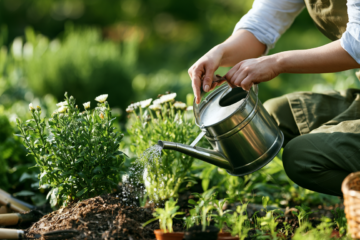
Overwatering is one of the most common gardening mistakes. Many new gardeners assume that more water automatically means healthier plants, but excessive watering can lead to root rot and other plant diseases.
Instead, water deeply and less frequently. This encourages roots to grow deeper into the soil, making plants stronger and more drought-resistant. Early morning is generally the best time to water because it reduces evaporation and allows foliage to dry during the day.
Always check the soil before watering. If the top few centimetres remain moist, your plants may not need additional water.
Mulching Is a Gardener’s Secret Weapon
Mulch is one of the easiest ways to improve garden health with minimal effort. A layer of organic mulch around plants helps conserve moisture, suppress weeds, regulate soil temperature, and gradually improve soil quality.
Materials such as bark chips, compost, straw, and leaf mould work particularly well in most gardens. Applying a 5cm to 8cm layer around plants can significantly reduce maintenance while promoting stronger growth.
Mulching also creates a more polished and professional-looking garden appearance.
Feed Plants at the Right Time
Plants require nutrients to grow, but more fertiliser does not always mean better results. Overfeeding can encourage weak growth and reduce flowering or fruit production.
Use a balanced fertiliser during the growing season and follow the manufacturer’s recommendations carefully. Different plants have different nutritional needs, so research specific requirements where possible.
Combining regular feeding with healthy soil management creates the ideal environment for steady plant growth throughout the year.
Keep an Eye on Pests and Diseases
Early detection is key when dealing with garden pests and diseases. Regular inspections allow you to spot problems before they become serious.
Check leaves for discoloration, holes, wilting, or signs of insect activity. Many issues can be resolved naturally by removing damaged foliage, encouraging beneficial insects, or improving growing conditions.
Healthy plants are generally more resistant to pest attacks, making prevention far easier than treatment.
Don’t Be Afraid to Prune
Many beginner gardeners avoid pruning because they worry about damaging their plants. In reality, proper pruning encourages healthier growth, improves airflow, and helps plants maintain an attractive shape.
Remove dead, damaged, or diseased branches regularly. For flowering shrubs and trees, learn the appropriate pruning season to maximise blooms and growth.
Even simple maintenance pruning can make a noticeable difference in plant health.
Be Patient and Learn Along the Way
Perhaps the most important gardening secret is understanding that gardening is a learning process. Even experienced gardeners encounter setbacks, failed crops, and unexpected challenges.
Observe how your plants respond to different conditions and adjust your approach accordingly. Keeping a simple gardening journal can help you track successes and learn from mistakes.
Over time, you’ll develop a deeper understanding of your garden and become more confident in your decisions.
Final Thoughts
Successful gardening doesn’t require expert knowledge or expensive equipment. By choosing suitable plants, improving your soil, watering correctly, using mulch, and monitoring plant health, beginners can enjoy stronger growth and healthier gardens from the very start. With patience, observation, and a willingness to learn, anyone can transform their outdoor space into a thriving and rewarding garden.