As more gardeners embrace environmentally friendly gardening practices, peat-free compost has become increasingly common in garden centres across the UK. But many gardeners still ask the same question: does this compost actually work as well as traditional peat-based compost?
The short answer is yes, but with a few important considerations. Modern peat-free compost products have improved dramatically in recent years and can deliver excellent results for feeding, weeding, watering, seed sowing, containers, and general plant growth. Understanding how peat-free compost works can help you get the best possible results in your garden.
What Is Peat-Free Compost?
This compost is made without peat, a natural material harvested from peat bogs. Instead, manufacturers use sustainable ingredients such as composted bark, wood fibre, coconut coir, green waste compost, and other recycled organic materials.
Peat bogs are important habitats that support wildlife and store significant amounts of carbon. When peat is extracted, these ecosystems can be damaged, which is why many gardeners are switching to more sustainable alternatives.
Today’s peat-free composts are carefully blended to provide good aeration, moisture retention, and nutrient availability for plants. Home-made compost is naturally peat-free.
Why Did Peat-Based Compost Become Popular?
For decades, peat-based compost was considered the gold standard for gardening. It was lightweight, retained moisture well, and offered a consistent growing medium. Gardeners became accustomed to predictable results when sowing seeds, growing vegetables, and planting containers.
As peat-free alternatives first entered the market, some products struggled to match that consistency. This led to mixed experiences and created a perception that peat-free compost was inferior.
However, significant improvements in manufacturing and ingredient selection mean modern peat-free composts perform much better than many early versions.
Does Peat-Free Compost Work as Well?
In most gardening situations, the answer is yes.
Many plants grow just as successfully in high-quality peat-free versions as they do in peat-based compost. Bedding plants, vegetables, herbs, shrubs, perennials, and container displays can all thrive when planted in suitable peat-free mixes.
The key difference is that peat-free may require slightly different management. Different ingredients affect how water and nutrients are held within the compost, which means gardeners sometimes need to adjust their feeding and watering routines.
Rather than being worse, this compost is simply different.
Watering Tips for Peat-Free Compost
One of the biggest adjustments gardeners notice is watering.
Some peat-free composts dry out faster on the surface than traditional peat compost. However, appearances can be misleading, as moisture may still be present below the top layer.
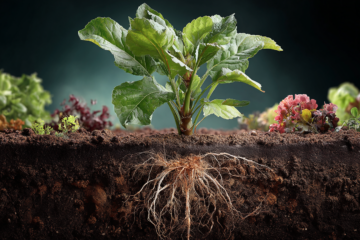
Before reaching for the watering can, check the compost beneath the surface with your finger. This helps prevent overwatering, which can be just as harmful as underwatering.
When watering containers filled with peat-free compost:
- Water thoroughly rather than little and often.
- Allow water to soak through the entire root zone.
- Check moisture levels regularly during hot weather.
- Use mulch around plants to reduce moisture loss.
Developing a simple watering routine will help plants establish strong, healthy roots.
Feeding Plants Grown in Peat-Free Compost
Another important consideration is feeding.
Some of these composts contain fewer nutrients than traditional peat-based products or release nutrients at different rates. As a result, plants may benefit from regular feeding during the growing season.
For the best results:
- Follow the compost manufacturer’s recommendations.
- Start feeding flowering plants once they begin active growth.
- Use a balanced fertiliser for general garden plants.
- Apply tomato or high-potash fertiliser to fruiting crops and flowering containers.
Regular feeding ensures plants have access to the nutrients needed for vigorous growth, abundant flowers, and healthy harvests.
Can Peat-Free Compost Help Reduce Weeds?
High-quality peat-free versions can be an excellent addition to a weed management strategy.
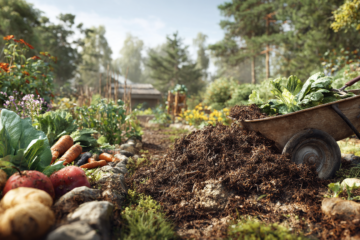
When used as a mulch around established plants, compost helps suppress weed growth by blocking sunlight from reaching weed seeds. A layer of compost also improves soil structure and encourages beneficial soil organisms.
While no compost is completely weed-proof, maintaining healthy, mulch-covered soil can significantly reduce the amount of weeding required throughout the growing season.
Combining compost with regular hand weeding often creates the most effective and environmentally friendly approach.
Best Uses for Peat-Free Compost
Peat-free compost performs particularly well for:
- Growing vegetables and herbs.
- Planting shrubs and perennials.
- Filling containers and hanging baskets.
- Improving garden soil.
- Mulching borders.
- Growing wildlife-friendly gardens.
For specialist applications such as seed sowing or cuttings, consider buying a peat-free compost specifically designed for propagation. These products are formulated to provide the fine texture young plants require.
Final Verdict
So, does peat-free compost actually work as well as peat-based compost? For most gardeners, the answer is a definite yes.
Modern composts are capable of producing healthy flowers, productive vegetables, thriving shrubs, and attractive container displays. Success comes from understanding how the compost behaves and adapting your feeding, watering, and maintenance routines accordingly.
By choosing peat-free versions, gardeners can enjoy excellent growing results while supporting more sustainable gardening practices. With a little experience, many gardeners find they achieve results every bit as impressive as those obtained with traditional peat-based products, while helping to protect valuable natural habitats for future generations.